Buying Guide
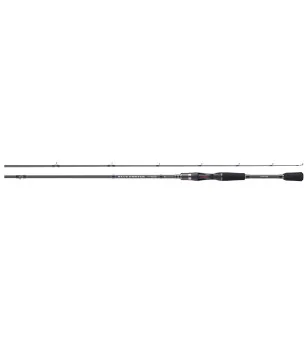
Choosing the right spinning rod is one of the best investments a sport angler can make. The rod is the link between you, the lure, and the fish — it determines casting distance, sensitivity, hook-setting power and overall comfort during long sessions. This guide helps you match technical rod features to real fishing situations so you can buy with confidence whether you fish light freshwater streams, rocky shorelines, or heavy-structured predator hotspots.
Rod Length
Length affects casting range, line control, and leverage. Short rods (5'6"–7') give precise lure placement and power for hooksets in tight cover. Medium lengths (7'–8'6") are the most versatile for general freshwater and nearshore work. Long rods (9'+) boost casting distance and line visibility for surf and open-water techniques. Choose length based on fishing environment and the lures you use.
Power (Rod Rating)
Power describes blank strength — how much force it takes to bend the rod. Ultralight and light rods excel with small lures and modest line for panfish and trout. Medium and medium-heavy are all-around choices for bass, pike, and larger inshore predators. Heavy rods are designed for big lures, heavy lines and battling large fish from boats or surf. Match power to target species and typical lure weight.
Action (Tip-to-Butt Flex)
Action defines where the rod bends. Fast action rods bend mostly at the tip, offering sensitivity and strong hooksets ideal for single-hook lures and deep-hooking species. Moderate action rods bend further down the blank for shock absorption and easier lure control — useful with treble-hooked baits or when fighting toothy fish. Choose action based on lure type and hooking angle you need.
Blank Material and Construction
Modern spinning rods are predominantly graphite, fiberglass, or composites. Graphite blanks are lightweight and sensitive, providing excellent feel for subtle bites. Fiberglass is more durable and forgiving, better for heavy-duty applications and harsh conditions. Composite blanks aim to balance sensitivity and toughness. Pay attention to weave, number of blank layers, and build quality — these influence backbone and responsiveness.
Guides, Reel Seat and Handle
Guide type and placement affect casting smoothness and line wear. Single-foot guides are lighter; double-foot guides add strength at high-stress points. Ceramic inserts reduce friction with braided lines. Reel seats should secure the reel firmly without creating hot spots. Handle materials (cork vs. EVA foam) influence comfort and grip when wet; consider handle length for two-handed casts or boat work.
Line and Lure Ratings
Most rods specify line rating (lb) and lure weight (g or oz). These ranges are practical guides for matching gear. Staying inside the recommended lure and line ratings maximizes casting performance and prevents damage. If you plan to use heavier braid or oversized lures, select a rod with higher ratings or heavier power.
Transport, Joints and Portability
One-piece blanks are often preferred for pure casting feel but are not portable. Two-piece and multi-piece rods offer easy transport; modern ferrules can be nearly seamless. Travel rods are ideal for anglers who fly or hike to remote spots; check for secure ferrules and maintain alignment during assembly for best action.
Target Species & Technique Match
Match rod specs to species and technique. Light, fast rods work for finesse applications and small lures. Sturdier, moderate-action rods suit soft plastics and topwater plugs. Heavy, powerful rods are for big pike, saltwater inshore predators, or when fishing from a boat in rough seas. Think of the rod as a tool tailored to specific tactics rather than a one-size-fits-all item.
Comparison Table
| Type | Typical Use | Key Features | Who It Suits |
|---|
| Ultralight Spinning Rod | Small streams, trout, panfish | Short length, light power, fast tip for sensitivity | Anglers using small lures and light lines wanting maximum feel |
| Medium-Light Spinning Rod | Bass finesse, small inshore species | Versatile length, moderate sensitivity, balanced action | Those who fish a variety of freshwater venues with finesse lures |
| Medium/Medium-Heavy Rod | General bass, pike, larger freshwater predators | Stronger backbone, suitable for heavier plastics and crankbaits | All-round anglers wanting a single rod for varied techniques |
| Heavy Spinning Rod | Boat fishing, large saltwater inshore species, big lures | High power, durable blanks, reinforced guides | Anglers targeting big fish or fishing heavy cover |
| Surf/Beach Rod | Long casting from shore, rough conditions | Long lengths, heavy power, corrosion-resistant components | Shore anglers needing distance and strength |
| Travel & Multi-Piece Rod | Hike-in or fly travel destinations | Breakdown design, compact transport, careful ferrule alignment required | Traveling anglers prioritizing portability without sacrificing action |
Expert Tips
- Test before you buy: if possible, handle the rod to assess balance with a reel mounted; it should feel comfortable in your hand.
- Match line type to guides: ceramic or SiC guides are better for braided lines to reduce friction and wear.
- Choose slightly heavier power if you fish heavy cover to avoid rod breakage during fights.
- Consider blank sensitivity for bite detection—lighter, thinner blanks transmit lure movement and subtle taps more easily.
- For saltwater use, favor components with corrosion resistance and rinse gear with fresh water after trips.
- Replace worn guides promptly; a damaged guide can cut line and ruin a fight.
- Think ergonomics: longer handles for distance casting and two-handed leverage, shorter handles for precision and boat work.
- Keep a spare tip or ferrule repair kit for multi-piece or travel rods to avoid losing a trip to a minor break.
Frequently Asked Questions
How do I choose the right rod length?
Choose based on environment and technique: short rods for tight cover and accuracy, medium rods for versatile freshwater use, and long rods for surf or long casts. Consider how you cast and the typical lure sizes you use.
What does rod action mean and why does it matter?
Action refers to where the rod bends under load. Fast action bends near the tip for sensitivity and strong hooksets; moderate action bends deeper for smoother fights. Pick action based on lure type and the hooking needs of your targeted species.
Should I match rod power to line or lure weight?
Both. Use the manufacturer's recommended lure weight and line rating as a baseline. Matching these ensures optimal casting performance and helps prevent overloading or underutilizing the rod.
Are multi-piece rods as good as one-piece rods?
Modern multi-piece rods can perform very close to one-piece blanks thanks to improved ferrule designs. One-piece rods may offer slightly better sensitivity and strength, but multi-piece rods excel in portability and convenience.
How important is rod sensitivity?
Very important for detecting subtle bites and feeling lure action. Sensitivity matters most when using light lures or fishing species with light takes. Graphite blanks typically provide superior sensitivity.
What handle material is best?
Cork offers a traditional feel, good sensitivity and comfort; EVA foam is durable, easier to maintain and often preferred for saltwater use. Choose what feels best in wet and cold conditions.
Can I use the same rod for fresh and saltwater?
Yes, if the rod has corrosion-resistant components and is rated for the intended line and lure weights. Rinse and maintain gear after saltwater use to extend its life.
How do I maintain my spinning rod?
Rinse with fresh water after use in salt or dirty environments, inspect and replace damaged guides, store rods away from direct sunlight and extreme heat, and avoid high-stress loads when transporting.
Related Categories
Why buy from Pescare.it
Pescare.it offers a carefully curated selection of spinning rods with clear technical information to help you compare options. Our product pages provide detailed specs and images, and our team of fishing experts is available to help with practical advice so you can choose the right rod for your style and conditions.
Conclusion
Selecting the right spinning rod comes down to matching length, power, action and construction to your target species and preferred techniques. Use the guidelines above to narrow choices, test balance with your reel, and think about where and how you fish. Explore our range to find rods that fit your needs and reach out to our specialists if you need help. Choose wisely and get back on the water with gear that improves casts, sensitivity and landing rates.