Buying Guide
Choosing a sectional feeder rod is about matching rod design to the water, target species and feeding method. Section feeder rods (multi-piece or sectional) combine travel convenience with the sensitivity and casting control needed for feeder fishing, match lakes and rivers. This guide helps you evaluate technical features, pick the right length and action, and understand how blank, tip sections and fittings influence bite detection, casting distance and fish playing performance.
Blank material and construction
The blank is the backbone of a feeder rod. Modern blanks are typically made from carbon (graphite), fiberglass or composite blends. Carbon blanks are lighter and more sensitive, giving faster recovery and better casting accuracy; fiberglass is more forgiving with a slower action and increased durability; composites balance sensitivity and shock absorption. Look for continuous carbon or multi-modulus constructions if you need strong sensitivity and low weight.
Rod length and intended use
Length influences casting range and line control. Shorter rods (2.7–3.3 m) are ideal for tight swims, river margins and precise short-range feeder work. Medium lengths (3.6–3.9 m) are versatile for most lakes and flowing water where moderate range and control are required. Longer rods (4.2 m and above) provide better line angle during long casts and help when fishing from bank edges or over thick margin vegetation.
Action and tip sensitivity
Action describes where the rod flexes under load. A fast action concentrates bend near the tip for quick hook penetration and powerful playing. Medium-fast offers a balance between sensitivity and shock absorption. For delicate bite detection, consider rods with sensitive tip sections or replaceable tips, giving you the ability to change to softer or stiffer tips according to conditions.
Power, casting weight and line rating
Rod power (test curve) and recommended casting weight determine the feeder sizes you can cast comfortably. Light-power rods suit small feeders and finesse presentations; medium-power rods cover the broadest applications with medium feeders; heavy-power rods handle large feeders and strong currents. Always match your line rating and reel spool capacity to the rod’s specifications to avoid overloading the blank.
Number of sections and portability
Sectional rods are available in 2–6 pieces. More sections make the rod compact for travel but can slightly reduce blank continuity and sensitivity. Choose the number of sections that balances portability with performance—3–4 pieces are common for travel without major compromise; 2-piece or single-piece rods are preferred when maximum sensitivity and blank continuity matter.
Guides, reel seat and ergonomics
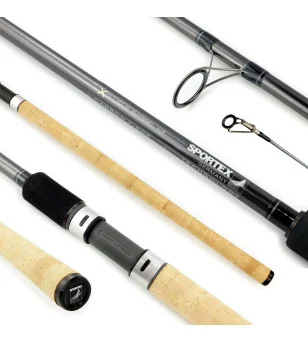
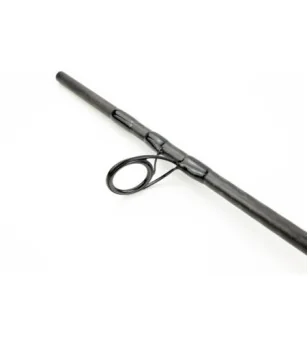
Quality guides reduce friction and help with long casts; look for anti-tangle or low-profile rings when fishing with braided lines. A comfortable, well-placed reel seat and ergonomic handle (cork, EVA or split grips) aid casting accuracy and reduce fatigue. Reinforced butt sections improve leverage when playing large fish and provide secure attachment points for rests or supports.
Tip options and replaceability
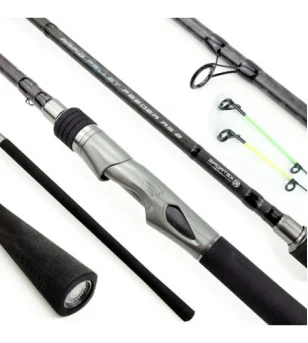
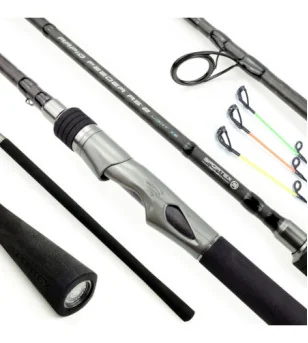
Interchangeable tip sections let you adapt action and sensitivity to conditions—stiffer tips for windy days or long casts, softer tips for picky bites in calm water. Check whether tips are included and whether spares or different test curve tips are compatible with the model you choose.
Match with feeder type and technique
Consider the feeders you use: cage, open-ended or method feeders have different weights and aerodynamic profiles. For method and pellet systems you may prefer a rod with greater sensitivity and medium action; for heavy short-range feeder fishing in current, a stiffer blank and higher power is beneficial.
Comparison Table
| Type | Typical Use | Key Features | Who It Suits |
|---|
| Short Section Feeder (2.7–3.3 m) | Short-range margin work, small venues | Compact, quick tip response, easy control | Beginners and anglers fishing tight swims |
| All-Round Section Feeder (3.6–3.9 m) | General lake and river fishing | Balanced action, medium casting weight, versatile | Most anglers seeking one rod for multiple venues |
| Long Range Feeder (4.2 m+) | Long-distance casting, open lakes | Long blank, higher casting weight, strong butt | Anglers targeting distance or fishing wide banks |
| Travel Section Feeder (3–5 pieces) | Travel and storage convenience | Compact, multiple sections, slightly reduced continuity | Travel anglers and match competitors on the move |
| Delicate Tip Feeder | Finesse fishing, light feeds and pressured waters | Very sensitive tips, softer action, replaceable tips | Situation-sensitive anglers and picky fishers |
Expert Tips
- Test the rod's balance with the reel you plan to use — a mismatched reel can change swing and fatigue levels.
- Match feeder weight to rod casting weight; under-loading reduces casting efficiency, overloading risks blank damage.
- Carry spare tips and a tip protector when traveling; tips are the most vulnerable sections in transit and on the bank.
- Use braided mainlines with a short monofilament or fluorocarbon shock leader for controlled stretch and better bite detection.
- Consider the waterbed and current: stiffer rods and heavier feeders are better in strong current to hold the bait in place.
- Replace worn guides promptly — damaged guide rings increase line wear and reduce casting distance.
- Practice casting with the feeder and bait load you intend to use before your session to tune clutch settings and identify optimal casting rhythm.
- When fishing long range, pause briefly after the cast before tightening the line to settle the rig and improve bite detection.
Frequently Asked Questions
How do I choose the right length feeder rod?
Choose based on casting distance and venue. Short rods (≈2.7–3.3 m) for close margins and tight swims; medium rods (3.6–3.9 m) for versatile lake and river work; long rods (4.2 m+) for distance casting. Consider transport and handling too.
What action is best for feeder fishing?
Medium-fast action is a good all-round choice, offering a blend of sensitivity and power. Fast action suits those needing rapid hook penetration and stronger fighting power, while slower actions are better for delicate presentations.
Are more rod sections worse for performance?
More sections increase portability but can slightly reduce blank continuity and sensitivity. Quality sectional design minimises that trade-off; 3–4 sections are a common balance.
Can I use braid on a feeder rod?
Yes. Braid offers low stretch and excellent sensitivity. Use a short monofilament or fluorocarbon leader to absorb shock and improve hook sets, and ensure guides are braid-friendly.
How important are replaceable tips?
Very important for adaptability. Replaceable tips allow you to alter sensitivity and action for different conditions, and they are cheaper to replace than an entire rod if damaged.
What rod power suits strong current?
Medium-heavy to heavy power rods are best in strong current because they handle heavier feeders and give better control during playing. Match the rod to the feeder weight required to hold position in the flow.
Should I prioritise weight or sensitivity?
Balance both. Lighter rods reduce angler fatigue and increase sensitivity, but strength and power are essential for landing larger fish and casting heavier feeders. Choose a lightweight carbon blank with adequate power for your targets.
How do guides affect casting?
Quality guides reduce line friction and improve casting distance and accuracy. Anti-tangle or low-profile guide designs help when casting feeders and prevent wind knots on sensitive casts.
Related Categories
Why buy from Pescare.it
Pescare.it specialises in fishing equipment and provides a curated selection of technical products for feeder anglers. Product pages include detailed specifications to help you choose, and customer service is available to answer technical questions. The site focuses on gear suited to real fishing conditions and practical angler needs.
Conclusion
Selecting the right sectional feeder rod comes down to matching blank material, length, action and power to your venue and technique. Consider tip options, guide quality and the number of sections for travel. Use the comparison table and expert tips to refine your choice, and contact the Pescare.it team if you need help selecting the right rod for your fishing style. Explore the range and pick the rod that will help you present bait more effectively and land more fish.