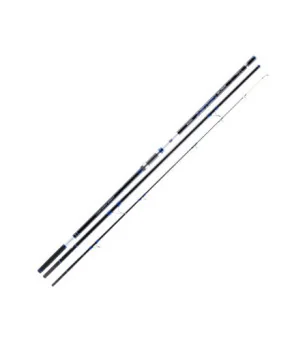
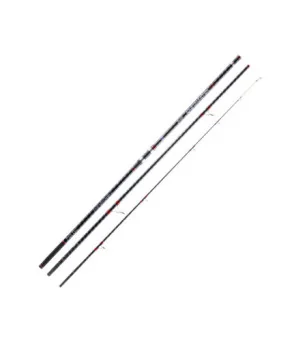
Buying Guide
Choosing the right surfcasting or beach ledgering rod transforms long casts, improves bait presentation and makes outings more comfortable. This guide helps you match rod characteristics to the venue, target species and personal casting style. Focus on length, power, action and build materials, then consider ergonomics and transportability to find a rod that feels right from the first cast.
Rod Length
Length is the most visible feature. Longer rods (3.9–4.5 m) provide greater leverage for long-distance casts, while shorter rods (3.0–3.6 m) give better control in rough wind or crowded beaches. Choose longer rods for open-surf beaches and shorter rods for tight spots, promenades or when shore access is restricted.
Power and Casting Weight
Power (light, medium, medium-heavy, heavy) determines how much load the rod can handle. Match power to the sinker weights and the size of fish you expect. Casting weight or lure/sinker rating indicates the optimal range for efficient energy transfer—important for both distance and accuracy when using heavy leads for strong currents.
Action and Blank Taper
Action describes how much the rod bends and where along the blank it flexes. Fast-action rods bend near the tip for sensitive bite detection and stronger hook-setting power; moderate or parabolic-action rods bend deeper into the blank for shock absorption and fighting large fish. Choose action based on your rig style: fast for single-hook presentation, slower for heavy multi-hook rigs and rough bottom conditions.
Materials and Construction
Modern blanks use high-modulus carbon, graphite or blends. Carbon/graphite blanks are lighter and more sensitive with quicker recovery; composite blanks add durability and a forgiving bend for heavy shore work. Look for quality guide construction and corrosion-resistant components designed for saltwater use.
Guides, Reel Seat and Handle
Saltwater-resistant guides (aluminum oxide or SiC inserts) reduce line wear and tolerate braided lines. A robust reel seat keeps the reel secure under heavy loads; consider models with reinforced hoods. Handle length and material—EVA, cork or hybrid—affect comfort during long sessions and leverage when casting or fighting fish.
Transportability and Build Features
Consider number of pieces and transport length. Two- or three-piece rods are easier to travel with but may slightly affect blank action. Check ferrule design for secure connection and minimal impact on blank performance. Also evaluate rod weight and balance for fatigue-free long sessions.
Comparison Table
| Type | Use | Key Features | Who It Suits |
|---|
| Long-range Surf Rod | Open beaches, long casts | 3.9–4.5 m, medium-heavy to heavy power, fast action | Anglers targeting distance and larger surf species |
| Short Beach Ledgering Rod | Confined beaches, rocky points | 3.0–3.6 m, medium power, moderate action | Fishers who need control and accuracy in tight conditions |
| Travel/Two-Piece Rod | Transport to distant spots, travel | 2–3 pieces, compact transport length, engineered ferrules | Travel anglers and those with limited storage |
| Heavy-Duty Ledger Rod | Strong currents, large sinkers, big fish | Stiffer butt section, high line/drag compatibility | Anglers targeting large species or fishing deep troughs |
| Light Long-Cast Rod | Smaller species with long-distance presentation | Light to medium power, sensitive tip, reduced overall weight | Anglers prioritizing sensitivity and longer sessions |
Expert Tips
- Match sinker weight to rod casting range—overloading reduces distance and can damage the blank.
- Pair rods with appropriate reel sizes: a balanced reel reduces wrist fatigue and improves handling.
- Use braided mainline with a mono or fluorocarbon shock leader for best performance and minimal stretch.
- Check ferrules and guides for salt buildup after each session; a quick freshwater rinse extends component life.
- Test rod feel before purchase if possible—balance, grip comfort and casting swing should suit your style.
- For mixed-species beaches, choose a medium action rod that offers a compromise between casting distance and fighting range.
- Consider extra tip sections for versatile action or to replace breakages quickly without buying a new rod.
- When targeting winter/migratory species, opt for sturdier blanks to withstand larger sinkers and stronger currents.
Frequently Asked Questions
How do I choose rod length for my beach?
Choose longer rods (3.9–4.5 m) for open, wide beaches where distance matters; select shorter rods (3.0–3.6 m) for rocky points, crowded beaches or heavy wind conditions where control is essential.
What does "action" mean and why does it matter?
Action refers to where a rod bends under load. Fast action bends near the tip for sensitivity and powerful hooksets; moderate/parabolic action bends deeper for smoother fights and shock absorption with heavy rigs.
Is a two-piece rod as good as a one-piece rod?
Modern two- and three-piece rods are engineered to perform close to one-piece blanks while offering easier transport. Look for quality ferrules and test for any noticeable difference in feel before deciding.
Which material is best: carbon/graphite or composite?
High-modulus carbon/graphite delivers sensitivity and light weight, ideal for distance and bite detection. Composite blanks provide extra durability and a more forgiving bend, useful in heavy surf and for anglers prioritizing robustness.
How do I maintain a surf rod to extend its life?
Rinse with freshwater after each saltwater session, dry thoroughly, inspect guides and ferrules, lightly grease metal fittings if necessary, and store rods in a dry, shaded place to prevent UV and salt damage.
What handle type should I choose?
EVA foam is durable and comfortable for wet conditions; cork offers a tactile feel and warmth but can be more vulnerable to wear. Choose based on comfort during long casts and personal grip preference.
Can I use a surfcasting rod for pier or boat fishing?
Yes, but consider the environment. Shorter rods are often better for piers and boats due to limited casting room, while dedicated boat rods are typically stiffer for vertical fighting and heavy tackle.
How important are guides for braided line?
Very important—guides with hard inserts (SiC or similar) minimize wear on braided lines and reduce friction for longer, smoother casts. Ensure guides are corrosion-resistant for saltwater use.
Related Categories
Why buy from Pescare.it
Pescare.it offers a curated selection of rods chosen for sea conditions and shore angling techniques, detailed product information to compare features, and knowledgeable customer support to help match gear to your needs. Reviews and clear specifications make it easier to pick the right rod for your sessions.
Conclusion
Choosing the right surfcasting or beach ledgering rod means balancing length, power, action and build quality against the conditions you fish and the species you target. Prioritize a rod that feels comfortable, matches your sinker and line choices and offers the durability needed for saltwater work. Explore the range to find the ideal blank for your style, and contact our team if you need help deciding. Ready to improve your shore casts? Browse the selection and try a rod that fits your next session.