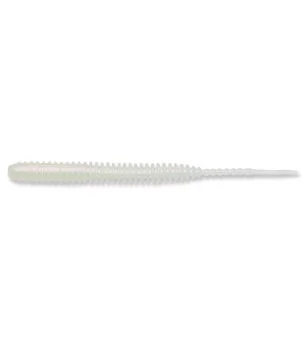
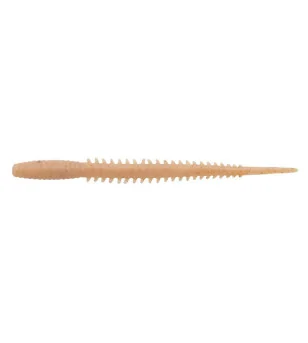
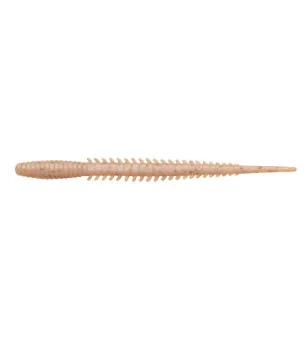
ADUSTA PENTA SHAD
<p></p><p>Il PENTA SHAD è un soft lure della famiglia Adusta, ha un corpo molto compatto ed è stato progettato e sviluppato per combinare nel nuoto un’azione realistica con molte oscillazioni, rendendo eccezionalmente reale. La sezione del corpo e a “V” come la chiglia di una nave, questo rende l’esca molto stabile durante il nuoto. Grazie alla progettazione sottile e affusolata della coda l’oscillazione della stessa è molto ampia. Il tutto per stimolare i predatori più apatici. Tutte le dimensioni sono composte da silicone dall’aroma salato. Ideale per la pesca in acque dolci.</p> <p><iframe width="660" height="371" src="https://www.youtube.com/embed/j2kgY4dezNc" title="YouTube video player" frameborder="0"></iframe></p> <div class="--reading-ruler-ruler"></div><table><thead class="pestit"><tr><td>Codice di riferimento</td><td>Colore</td><td>Nome del prodotto</td><td>Peso gr</td><td>Lunghezza mm</td><td>Azione</td><td>DEPTH</td></tr></thead><tbody class="pestxt"><tr><td>PS2-117</td><td>CHART WHITE</td><td>ADUSTA PENTA SHAD</td><td></td><td>2”</td><td></td><td></td></tr><tr><td>PS2-013</td><td>CLEAR SILVER GLITTER S</td><td>ADUSTA PENTA SHAD</td><td></td><td>2”</td><td></td><td></td></tr><tr><td>PS2-118</td><td>GHOST AYU</td><td>ADUSTA PENTA SHAD</td><td></td><td>2”</td><td></td><td></td></tr><tr><td>PS2-100</td><td>GREEN CHART GLITTER ORANGE</td><td>ADUSTA PENTA SHAD</td><td></td><td>2”</td><td></td><td></td></tr><tr><td>PS2-114</td><td>GREEN CHART SEED SHINER</td><td>ADUSTA PENTA SHAD</td><td></td><td>2”</td><td></td><td></td></tr><tr><td>PS2-104</td><td>HAZE</td><td>ADUSTA PENTA SHAD</td><td></td><td>2”</td><td></td><td></td></tr><tr><td>PS2-112</td><td>IZASA</td><td>ADUSTA PENTA SHAD</td><td></td><td>2”</td><td></td><td></td></tr><tr><td>PS2-004</td><td>MOTOR OIL</td><td>ADUSTA PENTA SHAD</td><td></td><td>2”</td><td></td><td></td></tr><tr><td>PS2-116</td><td>RED GOLDEN SHAD</td><td>ADUSTA PENTA SHAD</td><td></td><td>2”</td><td></td><td></td></tr><tr><td>PS2-110</td><td>SUJIEBI</td><td>ADUSTA PENTA SHAD</td><td></td><td>2”</td><td></td><td></td></tr><tr><td>PS2-102</td><td>TENNESSEE SHAD</td><td>ADUSTA PENTA SHAD</td><td></td><td>2”</td><td></td><td></td></tr><tr><td>PS2-109</td><td>WAKASAGI</td><td>ADUSTA PENTA SHAD</td><td></td><td>2”</td><td></td><td></td></tr><tr><td>PS2-001</td><td>WHITE GLOW</td><td>ADUSTA PENTA SHAD</td><td></td><td>2”</td><td></td><td></td></tr><tr><td>PS2-106</td><td>AYU</td><td>ADUSTA PENTA SHAD</td><td></td><td>2”</td><td></td><td></td></tr><tr><td>PS3-117</td><td>CHART WHITE</td><td>ADUSTA PENTA SHAD</td><td></td><td>3”</td><td></td><td></td></tr><tr><td>PS3-013</td><td>CLEAR SILVER GLITTER S</td><td>ADUSTA PENTA SHAD</td><td></td><td>3”</td><td></td><td></td></tr><tr><td>PS3-118</td><td>GHOST AYU</td><td>ADUSTA PENTA SHAD</td><td></td><td>3”</td><td></td><td></td></tr><tr><td>PS3-100</td><td>GREEN CHART GLITTER ORANGE</td><td>ADUSTA PENTA SHAD</td><td></td><td>3”</td><td></td><td></td></tr><tr><td>PS3-114</td><td>GREEN CHART SEED SHINER</td><td>ADUSTA PENTA SHAD</td><td></td><td>3”</td><td></td><td></td></tr><tr><td>PS3-104</td><td>HAZE</td><td>ADUSTA PENTA SHAD</td><td></td><td>3”</td><td></td><td></td></tr><tr><td>PS3-108</td><td>HIUO</td><td>ADUSTA PENTA SHAD</td><td></td><td>3”</td><td></td><td></td></tr><tr><td>PS3-112</td><td>IZASA</td><td>ADUSTA PENTA SHAD</td><td></td><td>3”</td><td></td><td></td></tr><tr><td>PS3-004</td><td>MOTOR OIL</td><td>ADUSTA PENTA SHAD</td><td></td><td>3”</td><td></td><td></td></tr><tr><td>PS3-116</td><td>RED GOLDEN SHAD</td><td>ADUSTA PENTA SHAD</td><td></td><td>3”</td><td></td><td></td></tr><tr><td>PS3-110</td><td>SUJIEBI</td><td>ADUSTA PENTA SHAD</td><td></td><td>3”</td><td></td><td></td></tr><tr><td>PS3-102</td><td>TENNESSEE SHAD</td><td>ADUSTA PENTA SHAD</td><td></td><td>3”</td><td></td><td></td></tr><tr><td>PS3-109</td><td>WAKASAGI</td><td>ADUSTA PENTA SHAD</td><td></td><td>3”</td><td></td><td></td></tr><tr><td>PS3-001</td><td>WHITE GLOW</td><td>ADUSTA PENTA SHAD</td><td></td><td>3”</td><td></td><td></td></tr><tr><td>PS3-106</td><td>AYU</td><td>ADUSTA PENTA SHAD</td><td></td><td>3”</td><td></td><td></td></tr><tr><td>PS4-117</td><td>CHART WHITE</td><td>ADUSTA PENTA SHAD</td><td></td><td>4”</td><td></td><td></td></tr><tr><td>PS4-013</td><td>CLEAR SILVER GLITTER S</td><td>ADUSTA PENTA SHAD</td><td></td><td>4”</td><td></td><td></td></tr><tr><td>PS4-118</td><td>GHOST AYU</td><td>ADUSTA PENTA SHAD</td><td></td><td>4”</td><td></td><td></td></tr><tr><td>PS4-100</td><td>GREEN CHART GLITTER ORANGE</td><td>ADUSTA PENTA SHAD</td><td></td><td>4”</td><td></td><td></td></tr><tr><td>PS4-114</td><td>GREEN CHART SEED SHINER</td><td>ADUSTA PENTA SHAD</td><td></td><td>4”</td><td></td><td></td></tr><tr><td>PS4-104</td><td>HAZE</td><td>ADUSTA PENTA SHAD</td><td></td><td>4”</td><td></td><td></td></tr><tr><td>PS4-108</td><td>HIUO</td><td>ADUSTA PENTA SHAD</td><td></td><td>4”</td><td></td><td></td></tr><tr><td>PS4-112</td><td>IZASA</td><td>ADUSTA PENTA SHAD</td><td></td><td>4”</td><td></td><td></td></tr><tr><td>PS4-004</td><td>MOTOR OIL</td><td>ADUSTA PENTA SHAD</td><td></td><td>4”</td><td></td><td></td></tr><tr><td>PS4-116</td><td>RED GOLDEN SHAD</td><td>ADUSTA PENTA SHAD</td><td></td><td>4”</td><td></td><td></td></tr><tr><td>PS4-110</td><td>SUJIEBI</td><td>ADUSTA PENTA SHAD</td><td></td><td>4”</td><td></td><td></td></tr><tr><td>PS4-102</td><td>TENNESSEE SHAD</td><td>ADUSTA PENTA SHAD</td><td></td><td>4”</td><td></td><td></td></tr><tr><td>PS4-109</td><td>WAKASAGI</td><td>ADUSTA PENTA SHAD</td><td></td><td>4”</td><td></td><td></td></tr><tr><td>PS4-001</td><td>WHITE GLOW</td><td>ADUSTA PENTA SHAD</td><td></td><td>4”</td><td></td><td></td></tr><tr><td>PS4-106</td><td>AYU</td><td>ADUSTA PENTA SHAD</td><td></td><td>4”</td><td></td><td></td></tr><tr><td>PS5-117</td><td>CHART WHITE</td><td>ADUSTA PENTA SHAD</td><td></td><td>5”</td><td></td><td></td></tr><tr><td>PS5-013</td><td>CLEAR SILVER GLITTER S</td><td>ADUSTA PENTA SHAD</td><td></td><td>5”</td><td></td><td></td></tr><tr><td>PS5-118</td><td>GHOST AYU</td><td>ADUSTA PENTA SHAD</td><td></td><td>5”</td><td></td><td></td></tr><tr><td>PS5-100</td><td>GREEN CHART GLITTER ORANGE</td><td>ADUSTA PENTA SHAD</td><td></td><td>5”</td><td></td><td></td></tr><tr><td>PS5-114</td><td>GREEN CHART SEED SHINER</td><td>ADUSTA PENTA SHAD</td><td></td><td>5”</td><td></td><td></td></tr><tr><td>PS5-004</td><td>MOTOR OIL</td><td>ADUSTA PENTA SHAD</td><td></td><td>5”</td><td></td><td></td></tr><tr><td>PS5-116</td><td>RED GOLDEN SHAD</td><td>ADUSTA PENTA SHAD</td><td></td><td>5”</td><td></td><td></td></tr><tr><td>PS5-110</td><td>SUJIEBI</td><td>ADUSTA PENTA SHAD</td><td></td><td>5”</td><td></td><td></td></tr><tr><td>PS5-109</td><td>WAKASAGI</td><td>ADUSTA PENTA SHAD</td><td></td><td>5”</td><td></td><td></td></tr><tr><td>PS5-106</td><td>AYU</td><td>ADUSTA PENTA SHAD</td><td></td><td>5”</td><td></td><td></td></tr></tbody></table>
Price €8.90