Buying Guide
Choosing the right treble or double hook is a small decision with a big impact on catch rates, lure performance and fish handling. Whether you fish freshwater crankbaits or target big predators in saltwater, the right hook size, wire strength and point geometry will determine how quickly a fish is connected and how well it stays hooked. This guide breaks down the technical criteria anglers should evaluate, helps you match hooks to rigs and lures, and gives practical tips for smarter purchases.
Intended Use and Target Species
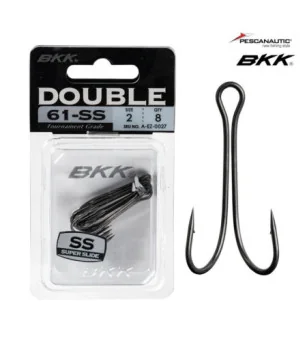
Start by defining how you will use the hooks. Treble hooks are common on hardbaits and some live-bait setups, offering multiple points for increased hookup probability. Double hooks and assist-style doubles are often used on jigs, soft plastics and vertical rigs where single-point penetration or reduced damage is preferred. Match hook size and strength to the species: small trebles for panfish, mid-size trebles for trout and bass, heavy trebles or doubles for pike, saltwater predators and large jigs.
Wire Gauge and Material
Wire gauge controls hook strength and flex. Light wire hooks penetrate more easily and suit smaller fish and lightweight baits; heavy or extra-heavy wire resists bending under hard fighting fish and abrasive mouths. Common materials include high-carbon steel and stainless steel. High-carbon hooks are sharp and strong but may be more prone to rust in saltwater unless treated; stainless offers better corrosion resistance at some cost to ultimate hardness.
Coatings and Corrosion Resistance
Consider corrosion-resistant coatings for saltwater use: black nickel, tin, Teflon/PVD and chemically plated finishes can extend life. Coatings also affect friction and penetration. For repeated saltwater exposure, choose stainless or high-carbon hooks with robust anti-corrosion treatments and rinse/dry hooks after each trip.
Point Style and Sharpness
Hook point geometry is critical. Needle points and chemically sharpened points penetrate quickly; rolled or forged points increase strength and reduce straightening under load. Barbed versus barbless is an ethical and legal choice in some waters—barbless hooks are easier to remove and reduce fish injury, while barbed hooks improve hookup retention when fishing heavy cover.
Hook Gap, Bend and Shank Length
Hook gap (distance between point and shank) dictates how well a hook will set in different sized mouths. Wider gaps are better for big-jawed fish; narrower gaps are ideal for smaller mouths. Bends—round, wide, or offset—affect holding power and hook-set angle. Shank length determines knot compatibility and how a lure swims; long shanks aid hook removal and provide more leverage when fighting fish, while short shanks are compact and less likely to tangle.
Eye Type and Attachment Method
Choose the appropriate eye for your rig: ringed or looped eyes work well for split rings on lures, while welded or closed eyes suit direct tying and assist hook rigs. Assist doubles usually incorporate a cord or braided attachment that reduces leverage against the hookpoint and improves hookup ratios on jigs.
Compatibility with Lures and Rigs
Not all hooks suit every lure. Match the hook size and eye type to the lure’s split ring positions and the action you want to preserve. For jigs, assist double hooks that sit above the head often increase hookup in vertical strikes and reduce lashings that can throw trebles. Consider replacing stock trebles on vintage or corkscrew lures with lighter or chemically sharpened trebles for better performance.
Comparison Table
| Type | Typical Use | Key Features | Who It Suits |
|---|
| Light Wire Treble | Small lures, panfish, trout, bass | Thin wire, fast penetration, less splash on retrieves | Anglers using small hardbaits and finesse presentations |
| Standard Treble | General-purpose lures and replacements | Balanced strength and sharpness, multiple point coverage | Casual and experienced anglers wanting versatility |
| Heavy-Duty Treble | Large lures, toothy or heavy-cover species | Thicker wire, forged shank, high holding power | Saltwater and big-fish freshwater anglers |
| Double (Assist) Hook | Jigs, vertical sacks, soft plastics | Two points on an assist cord, reduced leverage for fish | Jigging anglers and those replacing trebles to reduce fouling |
| Offset Double | Live bait rigs, larger soft baits | Offset points for deeper hookset, durable bend | Anglers targeting medium-to-large predatory fish |
| Barbless Variants | Catch-and-release, tournament fishing | Easier hook removal, lower fish trauma | Conservation-minded anglers and regulated waters |
Expert Tips
- Match hook size to mouth size, not just fish weight—mis-sized hooks often pull out early.
- For saltwater, prioritize stainless or well-coated high-carbon hooks and always rinse after use.
- Consider replacing stock trebles on classic lures with light wire options to improve action and hookup rates.
- When fishing heavy cover, use heavier wire and consider barbed trebles to maintain hold during long fights.
- Keep a selection of both barbed and barbless hooks; some fisheries require barbless, and switching is quick and inexpensive.
- Sharpen points regularly—chemically sharpened hooks maintain edge longer but will still need maintenance with heavy use.
- Use split rings rated for your target species to prevent ring failure when using trebles on big lures.
- Inspect hooks after each trip for bent points, rust or corrosion—replace compromised hooks before they fail.
Frequently Asked Questions
When should I use a treble hook instead of a double?
Use trebles when you want higher hookup probability on lures with erratic action or when a bait presentation benefits from multiple points. Doubles (assist hooks) are preferable for jigs and situations where reduced mouth damage or fewer tangles is desired.
Are double hooks stronger than trebles?
Strength depends on wire gauge and construction rather than point count. Heavy-duty doubles can be very strong, but a heavy treble with a forged shank may outperform a light double in sheer bending resistance.
Can I legally fish with barbed hooks?
Regulations vary by region and waterbody. Some areas require barbless hooks for catch-and-release or specific species; always check local rules before fishing.
How do I choose the right hook size for a lure?
Match the hook length and gap to the lure’s attachment points and the target fish’s mouth. As a rule, the hook should not exceed the lure’s designed split ring size or impede the lure’s action.
What maintenance do hooks need after saltwater use?
Rinse hooks and terminal tackle in freshwater after each trip, dry thoroughly, and store in a dry box. Apply light oil if storing for long periods to reduce oxidation.
Do coated hooks affect penetration?
Some coatings slightly reduce initial penetration but increase corrosion resistance. Many premium coatings are engineered to balance protection with minimal effect on sharpness and entry.
Are chemically sharpened hooks worth the extra cost?
Chemically sharpened hooks maintain a fine edge longer and often penetrate more readily than mechanically sharpened hooks, which can be advantageous in competitive or demanding fishing situations.
How do assist doubles attach to jigs safely?
Assist doubles should be tied with quality braid or cord and connected with a secure loop or welded ring. Ensure attachment length prevents the hook from tangling with the jig skirt and allows a clean hookset.
Related Categories
Why buy from Pescare.it
Pescare.it specializes in fishing gear and offers a curated selection of hooks and terminal tackle chosen for performance and durability. Product pages include technical specifications, clear photos and user feedback to help you make informed decisions. The site focuses on anglers’ needs across freshwater and saltwater applications.
Conclusion
Picking the right treble or double hook comes down to matching hook size, wire strength, point style and attachment method to your gear and target species. Prioritize corrosion resistance for saltwater, maintain sharpness, and choose the appropriate hook form for lures or jigs. Use this guide to compare options and refine your tackle choices—then select the hooks that best fit your fishing style and conditions.