Buying Guide
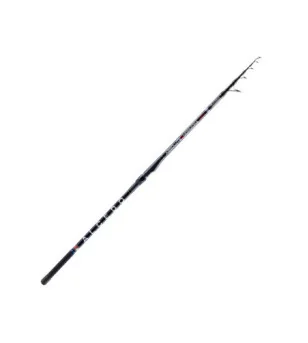
Choosing the right telescopic surfcasting rod can transform your shore sessions. Telescopic rods offer portability and quick setup for beach, jetty or travel fishing, but quality and specifications vary widely. This guide explains the practical and technical criteria to compare models so you can pick a rod that balances casting distance, sensitivity, durability and convenience for the species and conditions you fish.
Rod Length and Reach
Length governs casting distance, line control and leverage when fighting fish. For true surfcasting you generally want longer rods (3.5–5.0 m or more) to clear the breakers and place baits far out. Shorter telescopic rods are easier to transport and suit rock, pier or compact shore situations. Consider travel constraints and the maximum length you can handle comfortably for extended sessions.
Action and Tip Sensitivity
Action describes where the rod bends. Fast-action tips concentrate flex in the upper section for greater hook-setting power and sensitivity, helpful for single-hook rigs and harder pulls. Moderate or progressive actions bend deeper into the blank, offering better control with multiple-hook rigs and heavier bait presentations. Match action to your rigs and preferred fish species.
Power and Casting Load
Power (light, medium, heavy) defines rod backbone and the ideal sinker and lure ranges. Surfcasting often requires medium-heavy to heavy power to handle long-distance casting weights and to subdue larger shore species in currents. Check the manufacturer's recommended lure/sinker weight range and choose a rod that comfortably covers the weights you plan to cast without overloading the blank.
Blank Material and Construction
Modern telescopic surf rods are typically carbon (graphite), composite or fiberglass blends. Carbon blanks are light and sensitive; composites add durability and a smoother flex pattern. Look for blanks with consistent wall thickness and robust joint connections—weak joints are a common failure point on telescopic designs.
Guides, Tip Rings and Durability
Rings and guides should be corrosion-resistant—stainless steel with ceramic or silicon carbide inserts are common and help reduce line wear and heat during long casts. Pay attention to the guide footprint and spacing; poorly fitted guides can snag when collapsing the rod and reduce casting smoothness.
Reel Seat and Handle Ergonomics
A secure, well-machined reel seat prevents movement during cast and fight. Reel seats and handles should feel balanced, with comfortable grip materials like EVA or cork for long sessions. Consider the handle length: longer handles aid two-handed casts and control when fighting big fish from the surf.
Portability, Transport and Locking Mechanisms
Telescopic rods excel for travel, but locking reliability is critical. Test twist-lock or clamp systems for firmness and ease of use. Evaluate collapsed length and weight against your transport needs—shorter collapsed length is vital if you plan on plane or bike travel.
Saltwater Resistance and Maintenance
Components exposed to salt require corrosion-resistant alloys and materials. Even with saltwater-rated parts, regular rinsing with fresh water and careful drying preserve performance. Consider replacement tip tops and spare guide kits availability when choosing a model.
Comparison Table
| Type | Best for | Key features | Who it suits |
|---|
| Long Beach/Surf Telescopic | Long-distance shore casting | Long extended length, strong backbone, larger guides | Anglers targeting distance and larger surf species |
| Travel/Compact Telescopic | Air and car travel, light shore fishing | Short collapsed length, lightweight, moderate power | Travel anglers and those with limited storage |
| Heavy/Pier or Rock Telescopic | Heavy rigs, large bait and strong currents | High power, durable joints, robust guides | Anglers fishing big species or rough ground |
| All-round Telescopic | Versatile shore fishing | Balanced length/action, moderate-heavy power | Anglers wanting one rod for multiple situations |
| Light/Feeder-style Telescopic | Small- to medium-sized species near shore | Light power, sensitive tip, shorter length | Specialists for finesse shore techniques and small bait |
Expert Tips
- Match line and sinker weight to the rod’s recommended casting range to avoid damaging the blank or losing casting efficiency.
- Extend and collapse the rod sections gently and in order; avoid forcing a stuck section to prevent splintering or joint damage.
- After each saltwater outing, rinse with fresh water, wipe dry, and extend sections periodically to check for corrosion or grit.
- Use a reel with adequate spool capacity and a smooth drag—telescopic rods transmit vibration differently than fixed blanks.
- Check tip-top alignment and guide spacing after travel; misaligned tips reduce accuracy and can cut line under load.
- When casting heavy weights, use controlled power to protect the collapsing mechanism—wild heaves stress joints unnecessarily.
- Carry spare tip rings and a compact repair sleeve when fishing remote areas; small repairs can save a session.
- Practice your surfcasting technique without bait to find the rod’s sweet spot for distance and accuracy.
Frequently Asked Questions
Are telescopic rods suitable for serious surfcasting?
Yes, many modern telescopic rods are engineered specifically for surfcasting and offer adequate length and power. Choose a model with strong joints, the appropriate power rating and corrosion-resistant components to handle regular surf use.
How do I choose the right length?
Pick length based on desired casting distance and transport needs. Longer rods cast farther and control breakers better; shorter rods collapse to a smaller size for travel. Balance maximum length against how comfortably you can cast and carry the rod.
What does action mean and why does it matter?
Action indicates where the rod bends under load. Fast action gives sharper sensitivity and quicker hook sets; moderate or progressive action provides smoother bending and better control with heavier rigs. Match action to your rigging style and target species.
Can I use a spinning or baitcasting reel on a telescopic surf rod?
Most telescopic surf rods are designed for spinning reels, but some models accept multiplier or baitcasting reels depending on reel seat orientation. Check the reel seat and handle configuration before pairing.
How should I maintain a telescopic surf rod after saltwater use?
Rinse thoroughly with fresh water, extend sections to remove trapped salt, dry completely before storage and periodically lubricate threads or locking surfaces if recommended by the manufacturer.
Do telescopic rods break easily at the joints?
Poor-quality telescopic rods can fail at joints, but higher-quality models use reinforced sections and precision fits to minimize risk. Proper use, avoiding overload and gentle collapsing/extension prolongs life.
Is it better to choose carbon or composite blanks?
Carbon blanks are lighter and more sensitive, while composite blends can offer increased durability and progressive action. Choose based on preference for sensitivity versus ruggedness and the conditions you fish.
How important are guide inserts?
Guide inserts affect line wear and casting heat during long casts. Ceramic or silicon carbide inserts reduce friction and extend line life; choose corrosion-resistant inserts for saltwater use.
Related Categories
Why buy from Pescare.it
Pescare.it focuses on fishing gear and knowledge, offering a curated selection of rods and detailed product information to help you make informed choices. Our content is written by experienced anglers and specialists who understand surfcasting needs, so you can compare features, ask informed questions and select gear suited to your fishing style.
Conclusion
Choosing the right telescopic surfcasting rod means balancing length, action, power and durability against your transport needs and target species. Use the technical criteria and comparison table above to narrow your options, follow the expert tips to prolong rod life and consult the FAQs when in doubt. Explore the available models, test handling where possible, and equip yourself for more effective and enjoyable surf sessions.