Buying Guide
Choosing the right holdall for fishing and travel means balancing capacity, durability and organisation with comfort and transportability. Whether you're packing rods, tackle boxes, wet waders or weekend kit, the right bag protects gear, speeds up rigging and makes trips more enjoyable. This guide walks you through the technical criteria that determine which holdall suits your fishing style, followed by a practical comparison table, expert tips and answers to common questions so you can buy with confidence.
Capacity and Internal Layout
Start by matching capacity to trip length and gear list. Day trips require compact holdalls with a few organised pockets; multi-day trips or guide work demand larger volume and reinforced bases. Look for explicit volume or dimensions and an internal layout that accommodates bulky items (waders, boots) while keeping small items (tackle, terminal tackle) accessible. Removable or configurable dividers add flexibility.
Materials and Abrasion Resistance
Fishing environments are harsh: salt spray, sand, hooks and rough surfaces. Choose fabrics such as heavy-duty nylon or polyester with a high denier rating and reinforced seams. Tarpaulin-style materials and double-layer bases stand up to abrasion from boots and tackle. Check for taped seams and reinforced stitching at stress points.
Waterproofing and Drainage
Fully waterproof holdalls are ideal for wet conditions and coping with damp gear, but often weigh more. Consider water-resistant coatings combined with welded seams for good protection while keeping weight down. Drainage features—mesh panels or valve drains—prevent water pooling when carrying wet items such as boots or caught fish.
Compartments, Pockets and Organisation
Good organisation reduces time spent searching for tackle and protects fragile items. Look for dedicated pockets for pliers, leader spools, and boxes; external quick-access pockets for wallet and phone; and vented compartments for wet clothing. Internal loops or straps to secure rods and tool rolls help keep everything in place.
Carrying Options and Ergonomics
Carrying comfort matters on long transfers between car and water. Padded shoulder straps, adjustable harness-style straps and three-point handles distribute weight better than a single strap. Consider grab handles on both ends for two-person lifts and hip-belt options for heavy loads. An ergonomic carry system reduces fatigue and protects your back.
Mobility: Wheels, Rollers and Weight
Wheeled holdalls are practical for surfaced boat ramps and travel but can be bulky and heavier. Low-profile inline wheels with reinforced rollers perform well and won’t snag. If you expect rough terrain or need to carry long distances over uneven ground, a lighter, non-wheeled pack or one with a robust shoulder system may be preferable.
Security and Closures
Robust zips, flap-over closures and lockable compartments protect valuables and prevent accidental openings. Look for high-quality coil or molded zips with storm flaps. For boat use, waterproof roll-top closures reduce water ingress. Reinforced pulls and easy-to-grip tabs are useful when wearing gloves.
Maintenance and Repairability
Fishing gear takes wear. Choose holdalls made from repair-friendly materials and with replaceable parts (straps, buckles, wheels). Simple design with removable inserts and wipe-clean linings makes drying and cleaning easier. Check for available spare parts and clear manufacturer care instructions.
Comparison Table
| Type | Primary Use | Key Features | Who It Suits |
|---|
| Gear Holdall (soft) | General kit for day trips | Lightweight, multiple pockets, padded base | Casual anglers and those who prioritise carry comfort |
| Rod Holdall | Transporting rods and reels safely | Long tubular shape, internal sleeves, reinforced tips | Fly and spinning anglers transporting multiple rods |
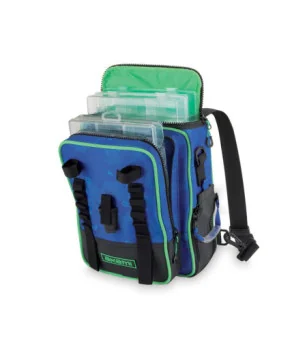
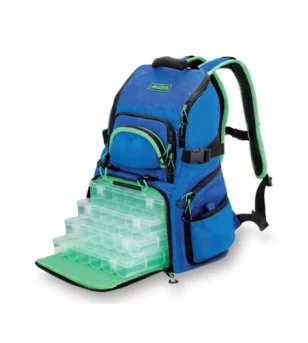
| Tackle Holdall | Organising boxes, lures and terminal tackle | Compartmented panels, clear pockets, rigid inserts | Anglers who need fast access to organised tackle |
| Waterproof Duffel | Boat fishing and wet conditions | Roll-top closure, welded seams, drainage options | Sea anglers and anyone needing full water protection |
| Wheeled Holdall | Travel and long transfers with heavy loads | Inline wheels, tow handle, high capacity | Guide anglers, tournament competitors, traveling anglers |
| Carry-on/Travel Holdall | Flights and short business trips | Compact size, organisational panels, TSA-friendly shape | Anglers who travel by air with compact kit |
Expert Tips
- Make a gear list for a typical trip and use it to test holdall dimensions before buying.
- Choose slightly larger than you think you need—padding and protective cases take space.
- Prioritise corrosion-resistant hardware (plastic or coated metal) for saltwater use.
- Use removable, labelled small-box inserts to keep terminal tackle organised and portable.
- If you fish from boats, add a non-slip mat or reinforced base to protect the bag and boat deck.
- Test shoulder straps fitted with a heavy load to check pressure points and comfort.
- For wet gear, prefer vented or drainable compartments to speed drying and avoid odours.
- Invest in a simple repair kit (spare buckles, heavy thread) to extend the bag’s life in the field.
Frequently Asked Questions
How do I choose the right size holdall for fishing trips?
Assess the items you carry most often: rods, tackle boxes, clothing and boots. Measure their combined dimensions and add clearance for protective cases and padding. For day trips, a 30–50 litre holdall is often sufficient; multi-day or guide use typically requires 60 litres or more. Use the comparison table to match type to need.
Are waterproof holdalls necessary for sea fishing?
Waterproof holdalls are highly recommended for sea fishing because they protect gear from spray and rain. If you prefer lighter weight, a water-resistant bag with good seam sealing and a waterproof inner liner can be a practical compromise. Drainage is useful for wet items.
Can I use a wheeled holdall on rough terrain?
Wheeled holdalls are best on smooth surfaces such as airports, piers and paved ramps. For rough or muddy ground, a wheeled bag can be cumbersome; consider a backpack-style or shoulder-carry holdall with a durable base instead.
How do I store wet waders and boots in a holdall?
Use a separate ventilated compartment or a dedicated waterproof sack inside the holdall to isolate wet items. If the bag has drainage or a vented section, place wet footwear there to speed drying and reduce moisture transfer to other gear.
What maintenance keeps a holdall lasting longer?
Rinse salt and sand off after each sea trip, dry completely before storage, and periodically treat fabric with recommended UV or water-repellent products. Inspect zips and seams regularly and repair small tears promptly to prevent larger damage.
Should I choose a soft or rigid-bottomed holdall?
Soft-bottomed bags are lighter and packable, while rigid or reinforced bases provide better protection for heavy gear and prevent abrasion. Choose reinforced bottoms if transporting heavy boxes or using the bag frequently on rough surfaces.
Related Categories
Why buy from Pescare.it
Pescare.it specialises in fishing equipment and offers a curated selection of holdalls chosen for real-world angling use. Our category content is informed by sport-fishing experience so you can find practical options quickly. Customer support is available to help match bags to your fishing needs and clarify technical details.
Conclusion
Choosing the right holdall means balancing capacity, protection and comfort against the environments you fish. Use the technical criteria above to compare models, consult the table to find the type that fits your use, and follow the expert tips to get the most from your purchase. Browse the selection, vet dimensions against your gear list, and select a holdall that keeps your equipment organised, protected and ready for the next trip.