Buying Guide
Lipless minnows are among the most versatile hardbaits for freshwater gamefish. Their tight, high-vibration action and sinking profile make them ideal for covering water fast, probing weed edges, and triggering reaction strikes in bass, pike, and other predators. When choosing a lipless minnow, balance target species, water depth, cover type, and casting distance. This guide breaks down the critical features to compare so you can pick the right body, weight, and action for the situations you fish most.
Profile and Size
The silhouette of a lipless minnow influences target species and strike reaction. Smaller profiles (40–60 mm) suit pressured fisheries, panfish, and small-mouthed bass. Medium sizes (60–90 mm) are all-rounders for largemouth, small pike, and perch. Large profiles (90 mm+) imitate bigger baitfish and provoke predators in open water or colder conditions when fish feed on larger prey.
Weight and Casting Distance
Weight governs sink rate and castability. Lighter models are easier to work in shallow water and around weeds; heavier models cast farther and reach deeper zones quickly. Consider how far you need to reach structure or open-water schools—long-cast versions are essential for covering big flats or windy days.
Sinking Rate and Depth Control
Lipless minnows sink steadily; knowing their sink rate helps you target specific depths. Faster sinking lures get to mid-depth channels and drop-offs quickly, while slower-sinking versions allow a longer search near the surface or around vegetation. Match sink behavior with where predators are holding and how long you want the bait in the strike zone.
Internal Rattles vs Silent Models
Many lipless minnows include internal rattles to add sound and attract fish in stained or low-light conditions. Silent models rely on flash and vibration alone and often work better in clear water or when fish are pressured. Choose rattles for murky water and long casts; choose silent for finesse work and sight fishing.
Action and Vibration
Action is created by body shape, weight placement, and hydrodynamics. Tight-wobble lipless minnows produce high-frequency vibration and are excellent for reaction strikes during quick retrieves. Wider-bodied lures deliver stronger side-to-side flash and are useful when fish follow but need a larger profile to commit.
Hook and Hardware Quality
Strong, sharp trebles and corrosion-resistant split rings are essential. For bigger fish or heavy cover, opt for upgraded trebles and reinforced rings. Check hook gap and point durability—cheap hardware will lose hookups and risk losing fish.
Finish and Color Selection
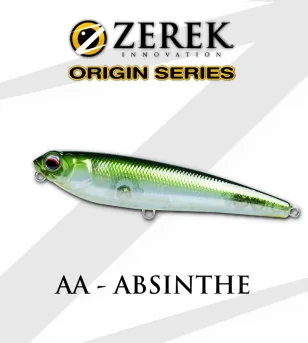
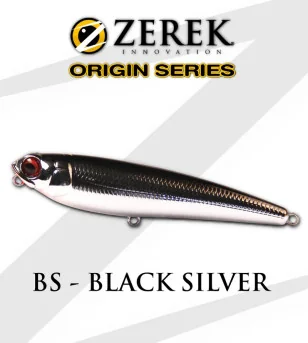
Match finish to water clarity and forage. Natural finishes (baitfish patterns, chrome) are reliable in clear water and high-pressure situations. Brighter or contrasting colors (firetiger, chartreuse) work well in stained water, low light, or when fish respond to color more than profile. Consider reflective finishes for open-water searches and matte patterns for spooky conditions.
Line, Rod, and Retrieve Considerations
Line diameter affects casting and vibration feel—braid or braided mainline with a fluorocarbon leader increases sensitivity and cast distance. Rod action should be fast tip to help detect subtle taps and set hooks through trebles. Vary retrieves: steady, burn-and-pause, yo-yo lifts, and slow-rolls can reveal which action triggers bites on a particular day.
Comparison Table
| Type | Use | Key Features | Who it suits |
|---|
| Micro Lipless | Shallow/pressured water, panfish | Small profile, light weight, subtle vibration | Anglers targeting smaller species or pressured lakes |
| Standard Sinking Lipless | General freshwater pursuit | Balanced sink, medium vibration, varied sizes | All-round anglers who need versatility |
| Long-Cast Heavy | Open water, windy conditions, deep flats | Heavier, streamlined body, long-distance castability | Anglers covering large areas or fishing deep structure |
| Vibrating Wide-Body | Reaction strikes near cover or shallow flats | Broad profile, strong flash, aggressive vibration | Predator hunters seeking explosive strikes |
| Rattle-Equipped | Low-visibility water, night or murky conditions | Built-in rattles, audible attraction, robust action | Fishers in stained water or low-light sessions |
| Silent/Tight-Action | Clear water, pressured fish, finesse situations | Minimal sound, realistic flash, subtle presentation | Experienced anglers fishing clear or pressured lakes |
Expert Tips
- Match the minnow size to local baitfish—copy the hatch to increase hookup rates.
- When fish are deep, use heavier, long-cast models and let them fall to target depth before retrieving.
- Switch between rattle and silent models during a session—sound can trigger bites one minute and spook fish the next.
- Retrieve cadence: vary speed and pauses; many strikes happen on the pause or immediately after a speed change.
- Tie a short fluorocarbon leader to reduce visibility and improve hooksets when using braid.
- Inspect and replace split rings and hooks after heavy use—hardware failure is a common lost-fish cause.
- Fish lipless minnows over hard bottom and weed edges—these lures excel at triggering reaction strikes near structure.
- Use a fast-action rod with a soft tip to help feel taps and set trebles without tearing mouths.
Frequently Asked Questions
What depth do lipless minnows typically fish?
Lipless minnows sink and can cover a wide depth range depending on weight and retrieve. Heavier models reach deeper quickly, while lighter ones stay nearer the surface. Controlling line speed and allowing the lure to fall on pauses helps you target specific depths.
Are rattles better than silent lipless minnows?
Neither is universally better—rattles attract fish in stained water or when fish rely on sound, while silent models are preferable in clear water or pressured fisheries. Carry both types and switch according to conditions.
What is the best line to use with lipless minnows?
Braid provides maximum casting distance and sensitivity; add a short fluorocarbon leader for abrasion resistance and lower visibility. In clear water, heavier fluorocarbon or full-fluoro setups can be effective.
How should I retrieve a lipless minnow?
Common retrieves include steady-speed cranks, fast burns, and lift-and-fall yo-yo presentations. Varying speed and inserting pauses frequently elicits reaction strikes. Experiment until you find what the fish want that day.
Can lipless minnows be used in heavy cover?
They can be effective around the edges of weeds and structure but are not true weedless lures. Use caution retrieving through thick vegetation; select designs with stronger hooks and reinforced hardware if fishing tight cover.
Which size lipless should I start with?
If unsure, start with a medium-size (60–80 mm) lipless minnow in a neutral finish. It covers a broad range of species and conditions and helps you identify local preferences before stocking specialized sizes.
How often should I change hooks or split rings?
Inspect hooks and rings after each outing. Replace if you notice corrosion, blunted points, or bent rings. Proactive replacement prevents lost fish during key strikes.
Do lipless minnows work year-round?
Yes—lipless minnows are effective throughout the season. Adjust size, weight, and retrieve speed to match seasonal fish behavior: slow and subtle in cold water, more aggressive in warmer months.
Related Categories
Why buy from Pescare.it
Pescare.it specializes in fishing tackle and knowledge for Italian and international waters. Our product selection focuses on quality and relevance, and the site is designed to help anglers make informed choices with clear descriptions and practical specifications.
Conclusion
Choosing the right lipless minnow comes down to matching profile, weight, action, and finish to your fishing conditions and target species. Carry a selection of sizes, weights, and both rattling and silent models to adapt on the water. Use the comparison and tips above to shorten the learning curve—then experiment on different retrieves and locations until you find what works. Browse the available options and pick the lipless minnow that best fits your typical fishing scenarios to start converting more strikes into landed fish.