Buying Guide
Light jigging and slow pitching are precision techniques that reward the angler who matches rod, reel, jig and terminal tackle to the target species and fishing conditions. Whether you fish from a boat over steep reefs or from light offshore grounds, a well-balanced setup increases hook rates, reduces fatigue and improves lure control. This guide walks you through the technical choices that matter most so you can assemble a rig that casts, drops and fishes jigs with confidence.
Rods: length, power and action
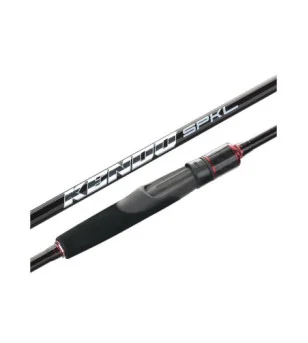
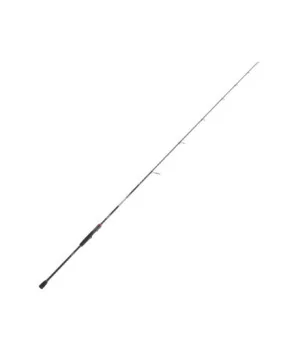
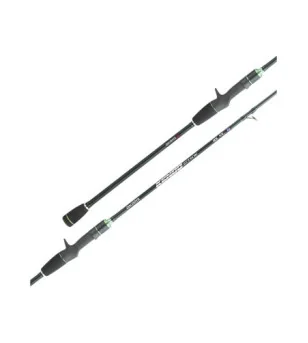
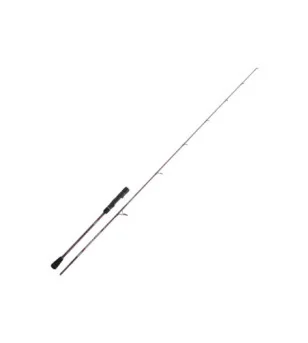
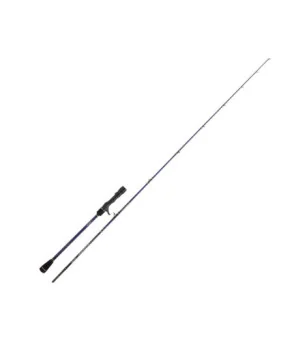
Choose rod length and power based on jig weight and fishing style. Typical light jigging rods range from 6'6" to 7'6" with medium-light to medium-heavy power, while slow-pitch rods are often 6'0" to 7'0" with a softer tip for rhythmical lifts. Action matters: a fast tip improves hook-up speed and single-hook penetration; a moderate-fast or parabolic blank absorbs hard head shakes on pelagics. Blank material (graphite or composite) affects sensitivity and weight—higher-modulus graphite transmits subtle bites better but can be stiffer.
Reels: gear ratio, drag and line capacity
Reel selection balances retrieve speed, drag smoothness and spool capacity. Slow-pitch work benefits from low-to-moderate gear ratios (around 4.1:1 to 6.2:1) to control jig fall and cadence; light jigging often uses faster ratios (5.6:1 to 7.3:1) for quicker winders on active fish. Check drag rating for the species targeted—smooth, progressive drag is more important than peak numbers. Spool size should hold enough braid for the depth you fish plus a fluorocarbon leader; braid of 10–30 lb class is common.
Jigs: weight ranges, shapes and balance
Select jig weights that match depth, current and drift speed. Micro and small metal jigs (10–60 g) are ideal for shallow to mid-depth work; heavier jigs (80–200 g) suit deeper drops or strong currents. Shape affects action: flat, fluttering jigs excel for slow-fall presentations; slender long-jigs are designed for fast jigging and vertical action. Consider center of mass and split-ring placement—well-balanced jigs track better and reduce tangles.
Lines and leaders
Braid is the standard mainline for sensitivity and low stretch—choose diameter compatible with reel capacity and rod guides. Use a fluorocarbon leader for abrasion resistance and invisibility in clear water; lengths from 1 to 4 meters are typical depending on water clarity and toothy species. Match leader strength to fish size and jig weight; heavier leaders can hamper jig action, so balance stealth and durability.
Hooks and assist rigs
Assist hooks should be matched to jig size and target fish. Single, strong hooks with quality assist cord reduce snags and improve hookups on long-jig tactics, while double or treble configurations can increase hookup ratios on slow-pitch presentations. Use corrosion-resistant split rings and check knot strength—replace weak components and size hook points to suit mouth shape of species targeted.
Rig balance and rod/reel pairing
Balance your setup so the rod tip sits slightly above horizontal when the reel is latched—this reduces fatigue and improves control. Light rods are harmed by oversized reels; conversely, undersized reels limit line capacity and drag. Test combos with the actual jig weight you intend to use to feel the action and ensure comfortable handling for long sessions.
Environment and species considerations
Adjust tackle for current, depth and target species: heavier, compact jigs for strong current and deep structure; lighter, fluttering jigs for calm water and finicky fish. For toothy predators, add wire traces or stronger leaders; for brittle-jaw species, use lighter leaders and single hooks to prevent tearing.
Comparison Table
| Type | Main Use | Key Features | Who It Suits |
|---|
| Light Jigging Rod | Versatile vertical jigging inshore/offshore | 6'6"–7'6", medium-light to medium-heavy power, fast tip, sensitive blank | Anglers targeting mixed species and working a range of jig weights |
| Slow Pitch Rod | Controlled slow pitch cadence and fluttering presentations | 6'0"–7'0", softer tip, parabolic mid-section, rhythmic recovery | Specialists focused on slow fluttering jigs and precise cadence |
| Micro/Small Metal Jigs | Shallow to mid-depth jigging and finesse presentations | 10–60 g, varied profiles (flat, diamond, slim), balanced for flutter | Fishermen targeting smaller pelagics, seabass, and pollack |
| Assist Hook Rigs | Hook attachment for jigs | Single/double assists, coated cord, corrosion-resistant hooks and rings | Anyone wanting higher hookup rates and reduced jig damage |
| Low/Moderate Ratio Reel | Controlled retrieves and deep-water jigging | Gear ratios 4:1–6:1, smooth drag, adequate braid capacity | Slow-pitch anglers and those fishing deep structure |
Expert Tips
- Match jig weight to the actual depth and drift—start heavier in current and lighten until you find an enticing fall.
- Pair rod action to jig type: fast tips for snap-hooking, softer tips for gentle fluttering recoveries.
- Use a short fluorocarbon leader in clear water to reduce visibility while preserving jig action.
- Maintain your assist rings and hooks—replace rusty or deformed split rings before a trip.
- Feel the jig: sensitivity is more important than raw power when detecting subtle bites on slow-pitch gear.
- Practice cadence on shore: consistent rhythm improves presentation and makes strikes more likely.
- Balance line class and leader strength—too heavy a leader will kill jig action, too light risks losing fish.
- Keep spare jigs in a range of weights and shapes to quickly adapt to changing conditions.
Frequently Asked Questions
What is the difference between light jigging and slow pitching?
Light jigging emphasizes speed and vertical motion with a variety of jig profiles and faster retrieves; slow pitching focuses on slow, rhythmic lifts and falls to create a fluttering action that entices inactive or feeding-suspicious fish.
How do I choose the right jig weight?
Base weight on water depth, current and boat drift. Use heavier jigs for deeper water and stronger currents; reduce weight in calm or shallow conditions. Carry a selection and test on the spot.
Can I use the same reel for both techniques?
Yes, a versatile reel with a smooth drag and suitable line capacity can serve both styles, but gear ratio preference differs: slower ratios are often preferred for slow pitching, faster ratios for light jigging.
What line and leader combination works best?
A thin-diameter braided mainline for sensitivity with a 1–4 m fluorocarbon leader provides a good balance of feel and invisibility. Leader test should match target species without excessive bulk.
Should I use single or double assist hooks?
Single strong hooks reduce snagging and fish body damage, while double or treble assists can improve hookup rates in some slow-pitch scenarios. Select hook type based on jig size and species mouth structure.
How important is rod action for hook setting?
Very important: a fast tip transfers hookset energy quickly, improving penetration on hard-mouthed fish; a softer rod helps keep hooks set during long fights and reduces ripped-out hooks on delicate species.
What maintenance does jigging gear need?
Rinse gear with fresh water after use, inspect and lubricate reel drag components per manufacturer guidance, and check hooks, split rings and guides for corrosion or wear. Replace compromised parts promptly.
Is wire leader necessary?
Use wire traces when targeting toothy predators to prevent bite-offs. For other species, fluorocarbon leaders preserve jig action and reduce fish rejection caused by stiff traces.
Related Categories
Why buy from Pescare.it
Pescare.it focuses on fishing gear with an expert-curated selection for specialist techniques like light jigging and slow pitching. Product pages include technical details to help you compare items, and the site supports anglers with practical buying information so you can choose the right setup for your fishing style.
Conclusion
Choosing the right light jigging or slow-pitch setup comes down to matching rod action, reel characteristics, jig profile and terminal tackle to conditions and target species. Prioritize sensitivity, balance and appropriate weight ranges, and keep a small but versatile quiver of jigs and leaders. Test combinations before longer trips and adjust as water and fish behavior change. Explore the selection on Pescare.it and build a rig that delivers better control, more hookups and more fun on the water.