Buying Guide
Choosing the right hat or balaclava for fishing is more than a style decision—it's about comfort, protection and performance across changing weather and light conditions. Whether you fish from a boat, shore or pier, the right headwear shields you from sun, wind, spray and cold, reduces fatigue and helps you stay focused on the water. This guide walks through the technical factors to consider and compares common types so you can pick the headgear that suits your fishing style and environment.
Material
Fabric determines weight, feel, drying speed and longevity. Common options include lightweight nylon and polyester for sun hats, cotton blends for comfort, and merino or synthetic knits for warmth. Look for materials labeled quick-dry or moisture-wicking when you expect sweat or spray. For cold-weather balaclavas, synthetic fleece and merino wool provide warmth even when damp.
Thermal Insulation
Consider insulation level based on season and location. Lightweight liners and thin thermal balaclavas are ideal for cool mornings, while thicker fleece or double-layer designs suit frigid conditions. Avoid excessive insulation for summer fishing—overheating can sap energy and reduce focus.
Breathability and Moisture Management
Breathable fabrics help regulate temperature and prevent clamminess. Mesh panels, perforations or technical knit structures allow sweat to evaporate. For balaclavas, look for materials that dry quickly and wick moisture away from the skin to prevent chills when temperatures drop.
Sun Protection and Brim Design
Sun exposure is a primary concern. Hats with wide brims or neck flaps and fabrics with a high Ultraviolet Protection Factor (UPF) shield face, ears and neck. Structured brims keep glare down; adjustable brims and stowable visors offer versatility between sun and shade. For maximum protection consider full-coverage designs like wide-brim hats or a balaclava paired with a cap.
Windproofing and Water Resistance
Wind and spray can rapidly lower comfort and body temperature. Windproof shells and DWR-treated fabrics deflect light spray and breeze. Fully waterproof headwear may be heavier and less breathable—choose water-resistant designs for damp spring days and fully waterproof options for heavy rain or spray-prone offshore trips.
Fit, Coverage and Fastening
A secure, comfortable fit prevents hats and balaclavas from blowing off or shifting while casting. Adjustable chin cords, internal drawcords, and elasticized hems help. Coverage matters: ear and neck protection is essential in cold or high-sun conditions, while low-profile caps work well under helmets or hoods.
Ventilation and Layering Compatibility
Vented crowns, mesh panels and removable liners add versatility across seasons. Consider how the headwear layers with hoods, helmets, life vests or sunglasses. Low-profile balaclavas fit under hats and jackets; bulkier hats can interfere with collars and straps.
Durability and Saltwater Resistance
Saltwater corrodes fasteners and roughens fabric over time. Look for corrosion-resistant hardware and strong stitch construction. Rinse gear after saltwater exposure and choose tougher outer fabrics if you fish frequently in marine environments.
Visibility, Camouflage and Color
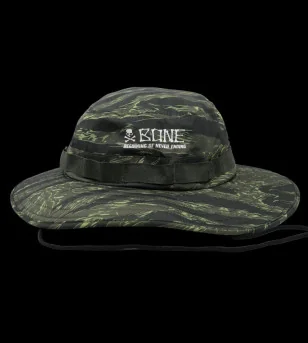
Bright colors improve visibility for safety and retrieval, while muted or camo finishes reduce spooking fish in clear, shallow water. Choose color and pattern based on fishing style—sight-fishing benefits from low-contrast headwear, whereas offshore or group fishing can benefit from high-visibility hues.
Packability and Care
If you travel or carry spare gear, packability matters. Collapsible hats, lightweight balaclavas and quick-dry fabrics save space. Check care instructions—machine-washable, quick-dry materials simplify maintenance after long trips.
Comparison Table
| Type | Use | Key Features | Who It Suits |
|---|
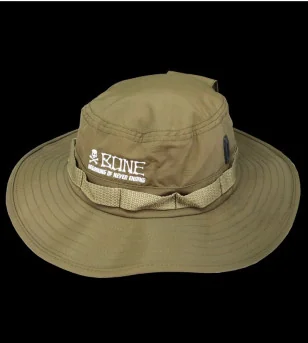
| Bucket Hat | General sun protection, shoreline and boat | Wide downward brim, packable, often quick-dry | Anglers needing balanced sun and packability |
| Baseball Cap | Casual fishing, glare reduction | Front visor, breathable back, low profile | Those who prioritize visibility and casting comfort |
| Wide-Brim Hat | Intense sun exposure, long days on deck or shore | Full face/neck coverage, UPF-rated fabrics | Sun-sensitive anglers and tropical expeditions |
| Beanie | Cold-weather fishing | Warm knit or fleece, close fit, lightweight | Winter anglers and early-morning trips |
| Fleece Balaclava | Cold, windy and spray-prone conditions | Full-face coverage, insulating, breathable panels | Offshore or winter anglers needing full protection |
| Convertible Balaclava / Neck Gaiter | Versatile year-round coverage | Multiple wearing styles, quick-dry, light protection | Anglers wanting adaptability across seasons |
Expert Tips
- Match headwear to the environment: prioritize UPF for sunny saltwater trips and insulation for cold mornings.
- Test the fit with sunglasses and a hood on—many anglers wear both simultaneously during a trip.
- Choose adjustable features (chin cords, drawstrings) to keep hats secure while casting or in wind.
- Rinse saltwater-exposed hats and balaclavas in fresh water and air-dry to preserve fabrics and hardware.
- Layer a thin balaclava under a cap for early-morning warmth that can be removed as the day warms.
- Prefer darker or muted tones for sight-fishing and brighter colors for safety when fishing in groups or near boat traffic.
- For long offshore days, prioritize brim coverage plus neck protection over fashion—sunburned necks can ruin a trip.
- Bring a lightweight spare—wind, rain and wear can make a second headcover essential.]
Frequently Asked Questions
How do I choose between a cap and a wide-brim hat?
Decide based on sun exposure and activity. Caps are low-profile and good for casting and wearing with sunglasses. Wide-brim hats offer superior sun and neck protection for long, exposed sessions. Consider the brim size you’re comfortable with and whether you need packability.
Is UPF rating important for fishing hats?
Yes. Fabrics with a UPF rating block a portion of UV radiation, reducing sunburn and cumulative sun damage. For frequent or long-duration sun exposure, choose hats or fabrics labeled for sun protection.
Can I wear a balaclava in summer?
Lightweight, breathable balaclavas or neck gaiters made from moisture-wicking fabric can be useful in summer to protect the neck and face from sun and wind. Avoid heavy insulating balaclavas in hot conditions to prevent overheating.
How should I care for saltwater-exposed headwear?
Rinse thoroughly in fresh water after each trip, gently squeeze out excess water and air-dry. Avoid high-heat drying and harsh detergents that can degrade coatings and fibers. Store dry to prevent must and odors.
What fit features should I look for to prevent wind loss?
Look for adjustable chin cords, internal drawcords and elasticized hems. A hat with a secure fit and retention system will stay put during windy conditions or when leaning over the rail.
Are synthetic or natural fibers better for balaclavas?
Synthetics (polyester, polypropylene) typically dry faster and wick moisture better, making them suitable for active fishing. Merino wool combines natural warmth with odor resistance and can be a comfortable, breathable option for colder conditions.
Will brimmed hats interfere with rod handling?
Large brims can sometimes catch during casting motions. Choose a brim size that balances protection and maneuverability—shorter brims or packable designs often offer a good compromise for anglers who cast frequently.
How do I prevent lenses from fogging when wearing a balaclava?
Ensure the balaclava fits snugly around the nose and has breathable fabric near the mouth to direct moisture away from goggles or sunglasses. Anti-fog treatments for lenses and occasional air breaks also help reduce fogging.
Related Categories
Why buy from Pescare.it
Pescare.it curates a broad selection of headwear designed for fishing conditions—from sun-protective hats to performance balaclavas. Product descriptions focus on technical features important to anglers, and the site supports selection with practical information so you can find the right match for your fishing needs.
Conclusion
Choosing the right hat or balaclava means balancing protection, comfort and function for your typical fishing conditions. Consider material, coverage, ventilation and how the piece layers with your other gear. Use the comparison table and tips above to narrow your options, then try a secure, comfortable fit before committing. Browse the selection to find headwear that keeps you comfortable and focused on the catch.