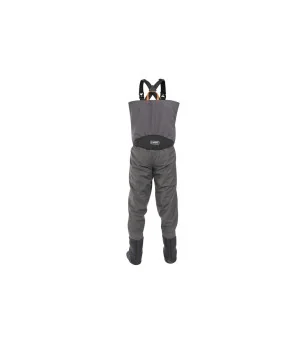
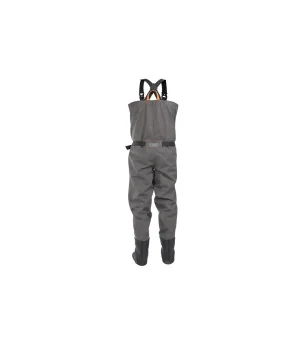
Buying Guide
Choosing the right boots and waders is one of the most important decisions for comfortable, safe and effective sport fishing. The right pair keeps you dry, improves footing on slippery substrates, protects against cold and abrasion, and can reduce fatigue on long days standing in river currents or marshy flats. This guide walks you through the key factors to consider so you can match product features to your fishing environment and style.
Material & Construction
Waders and boots are commonly made from neoprene, breathable membranes (such as PU-coated fabrics), rubber or synthetic leathers. Neoprene delivers warmth and buoyancy for cold-water applications; breathable fabrics prioritize moisture management and comfort for long, active days. Inspect seam construction—taped and welded seams increase long-term waterproofing compared with stitched-only seams.
Sealing & Waterproofing
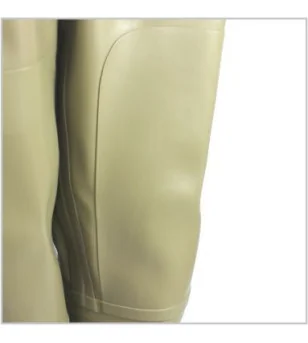
Waterproof integrity depends on seals at seams, zipper quality and attachments between boot and wader. Look for models with reinforced knee and seat areas and a reliable closure system for the top of the waders. For boots, consider waterproof membranes and gussets that prevent water ingress at the tongue and cuff.
Insulation & Temperature Rating
Consider the typical water and air temperatures you fish in. Thick neoprene (3–5 mm and up) provides insulation for cold conditions but can be heavy and restrict movement. Breathable waders paired with insulated base layers allow you to adjust warmth and are preferable in moderate to warm climates or active fishing where perspiration management matters.
Fit & Sizing
A secure, comfortable fit is crucial. Waders should allow layering underneath without being overly loose, which can trap water. For stockingfoot designs, pay attention to boot fit and sock thickness. When trying on, simulate fishing movements—crouch, step and lean—to confirm range of motion and prevent pressure points.
Sole Design & Traction
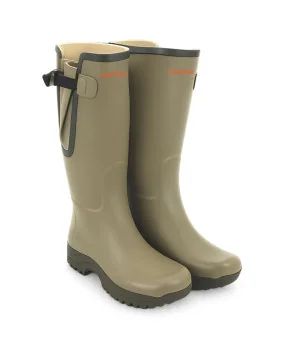
Soles range from soft rubber and felt to rubber with multi-directional lugs or studs. Choose a sole based on typical terrain: rivers with algae-covered rocks require aggressive traction; muddy flats benefit from wide, non-clogging soles. Consider compatibility with add-on studs or cleats if you fish varied or particularly slippery waters.
Boot Height & Wader Type
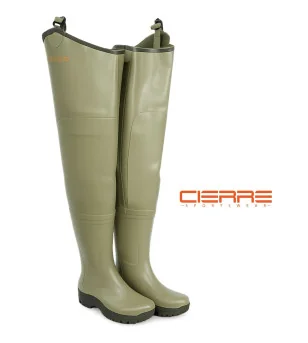
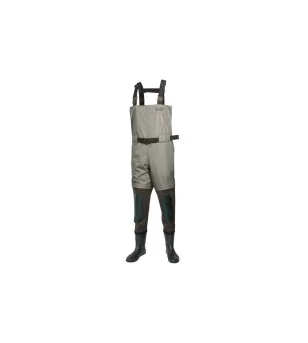
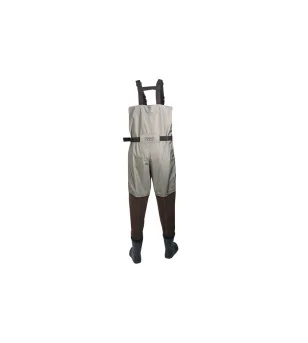
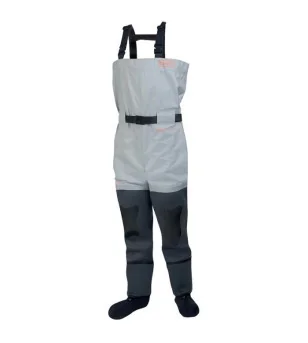
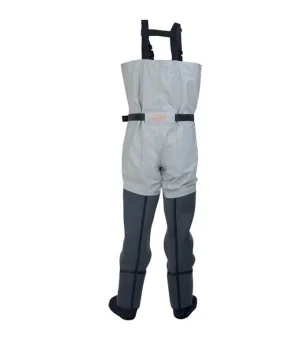
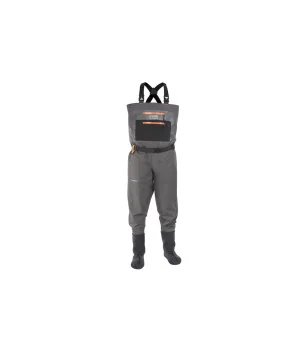
Boot types include ankle boots, mid-calf, and full wading boots; waders vary from hip to chest height. Hip waders are light and good for shallower water, while chest waders offer maximum coverage and protection for deeper wading. Bootfoot waders integrate the boot into the wader for simplicity; stockingfoot waders let you pair separate wading boots for a customized fit and sole choice.
Durability & Maintenance
Reinforced knees, abrasion-resistant patches and quality outsoles prolong service life. Consider repairability—models with replaceable boot attachments, externally accessible seals or available repair kits are easier to maintain. Routine care includes rinsing off salt and sediment, drying thoroughly, and storing out of direct sunlight.
Weight & Packability
If you hike to remote spots or need to store gear compactly, weight and packability matter. Breathable fabric waders tend to pack smaller and lighter than thicker neoprene. Balance weight with required insulation and durability for your conditions.
Comparison Table
| Type | Use | Key Features | Who It Suits |
|---|
| Neoprene Chest Waders | Cold rivers, ice-edge fishing | Thick insulation, high buoyancy, durable seams | Anglers fishing in cold climates needing warmth and protection |
| Breathable Stockingfoot Waders | All-day casting in moderate temps | Lightweight, moisture-wicking, pairs with custom boots | Active anglers prioritizing comfort and fit customization |
| Bootfoot Waders | Casual wading, quick access to shallow areas | Integrated boots, easy on/off, simpler maintenance | Recreational anglers wanting convenience and simplicity |
| Hip Waders | Shoreline, marshes, boat decks | Lightweight, shorter height, increased mobility | Fishers who frequently get in and out of water and boats |
| Wading Boots (separate) | Rocky rivers, technical streams | Aggressive soles, ankle support, replaceable studs | Serious anglers needing specialized traction and support |
Expert Tips
- Try boots and waders with the socks and layers you will actually wear on the water to get an accurate fit.
- Prefer stockingfoot waders if you want to change soles or use studs; choose bootfoot for simplicity and quick wear.
- Dry and air your gear after each use to prevent odors and seam deterioration—avoid prolonged sun exposure while drying.
- Match sole type to bottom type: soft lugs for mud, aggressive lug patterns or studs for slick rock and fast currents.
- Check leg and crotch reinforcement if you frequently kneel or climb—extra fabric in high-wear areas extends lifespan.
- Carry a basic repair kit on multi-day trips: patches, seam sealer and a small multi-tool can keep you fishing if damage occurs.
- Consider waders with gravel guards or cuff systems if you wade in sandy or pebbly terrain to keep debris out of boots.
- Rotate between pairs where possible to allow full drying and reduce wear from constant use.
Frequently Asked Questions
How do I choose between stockingfoot and bootfoot waders?
Choose stockingfoot waders if you want to pair them with dedicated wading boots for superior traction and ankle support. Bootfoot waders are better for casual anglers who prefer integrated boots and easier on/off convenience. Consider terrain and how much hiking you do to decide.
Are neoprene waders warmer than breathable waders?
Yes, neoprene provides inherent insulation and is generally warmer in cold-water conditions. Breathable waders rely on layering to provide warmth and excel in moisture management for active fishing in milder temperatures.
What type of sole is best for river fishing?
Rivers with slick, algae-covered rocks often require aggressive lug patterns or the ability to fit studs/cleats. Rubber soles with deep, multi-directional lugs or stud-ready boots are commonly chosen by river anglers.
How should I care for my waders and boots?
Rinse off salt, sand and dirt after each use, dry them inside out where possible, store in a cool, dry place away from direct sunlight, and repair small punctures or seam issues promptly to prevent leaks from worsening.
Can I wear my waders in saltwater?
You can, but rinse thoroughly with fresh water after each saltwater exposure to remove salt and prevent material degradation and corrosion of metal components. Pay extra attention to zippers, studs and buckles.
How important is ankle support in a wading boot?
Ankle support reduces the risk of twists and strains on uneven riverbeds. If you frequently cross rocky streams or hike long distances, opt for mid- to high-ankle boots with firm support and secure lacing systems.
Should I add studs or cleats to my boots?
Studs or cleats significantly improve traction on slick surfaces, but check local regulations and the environments you frequent—some areas restrict certain sole types. Use studs where permitted and where surfaces are dangerously slippery.
How do I know my wader size if I order online?
Measure chest, waist, hips and inseam, and consult the manufacturer’s size chart when available. If unsure between sizes, select the larger size to allow layering and mobility; refer to the retailer’s fit notes or customer service for guidance.
Related Categories
Why buy from Pescare.it
Pescare.it offers a curated selection of boots and waders chosen for performance and durability, together with product details to help you compare technical features. Our team provides practical advice to match gear to conditions, and our secure ordering process ensures a straightforward purchase experience.
Conclusion
Selecting the right boots and waders comes down to matching material, fit, insulation and sole design to your typical fishing conditions and personal preferences. Prioritize proper fit, adequate traction and appropriate insulation to stay safe and comfortable on the water. Explore the range available and contact our experts if you need help narrowing choices—then gear up and get back to fishing with confidence.