Feelfree Kayak Lure 10
Feelfree Kayak Lure 11,5
Feelfree Kayak Lure 13,5
Feelfree Kayak Lure II Tandem
Feelfree Kayak Moken 10 V2
Feelfree Kayak Moken 12,5 V2
Feelfree Kayak Moken 14
Feelfree Kayak Move Angler
Feelfree Overdrive Motor
Feelfree Overdrive Pedal
Hart 6-Rod Holder
Hart Automatic Inflatable Lifevest
Hart Belly Boat Catamaran VI Pontoon
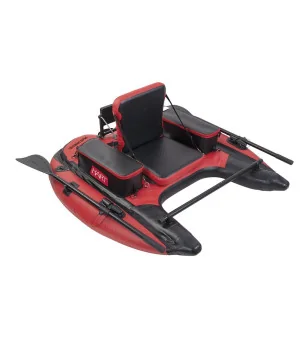
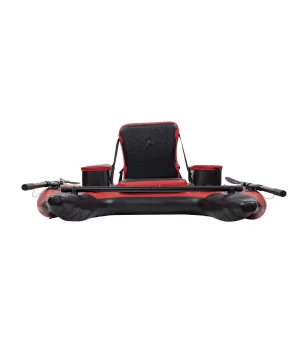
HART Belly Boat FLAT FIGHTER
Buying Guide
Choosing the right belly boat or kayak for freshwater or coastal fishing starts with understanding where and how you fish, how much gear you carry, and how much time you spend on the water. Belly boats offer exceptional stealth and portability for shore-oriented anglers in calm waters, while kayaks provide greater range, gear capacity and stability for longer trips or rougher conditions. This guide walks through the technical criteria to evaluate, compares common types, and gives practical advice to help you pick the craft that matches your fishing style.
Hull Type and Material
Hull design and construction determine durability, tracking and weight. Rigid polyethylene hulls are durable and track well; rotomolded kayaks are common for heavy-duty use. Inflatable models use PVC, TPU or drop-stitch constructions—TPU offers better puncture resistance and longevity. Belly boats typically use closed-cell foam collars and durable nylon or PVC seating platforms. Match material to intended use: frequent beaching and rocky launches require tougher surfaces; occasional, careful use can allow lighter materials.
Stability & Buoyancy
Stability is critical for casting and landing fish. Look at beam (width) and hull shape: flat-bottom or pontoon-style hulls deliver high primary stability, while V-shaped hulls track better but feel tippier. For belly boats, greater flotation and a contoured foam floor increase comfort and safety. Consider the combined buoyancy rating or maximum load capacity to ensure the craft supports your weight plus tackle, electronics and a cooler.
Weight, Portability & Storage
Consider transport and storage: inflatables and folding kayaks pack down for car trunks and small storage spaces. Rigid kayaks and dedicated belly boats are bulkier but usually faster and more durable. Check empty weight and recommended vehicle carrying methods—roof racks, trailers or tilting systems. Evaluate onboard storage: dry compartments, bungee decks and accessory mounts reduce the need for additional bags.
Seating & Comfort
Comfort matters on long sessions. Adjustable, supportive seats with breathable materials reduce fatigue. For belly boats, a well-shaped seat opening and adjustable backrest that keeps your hips and lower back supported will improve hours on the water. Kayaks should offer adjustable seats and footrests to maintain an efficient paddling posture and reduce leg cramping.
Fishing Features & Accessories
Look for rod holders, mounting points for electronics (GPS, fishfinder), paddle holders, anchor systems and easy-access storage. Kayaks often include scupper holes and bungee lash points; belly boats may have D-rings, accessory pouches and built-in rod slots. Consider how easily you can rig a fishfinder transducer or fit a battery and a small cooler.
Propulsion & Maneuverability
Kayaks rely on paddles or pedal drives; pedal systems free your hands for casting but add weight and complexity. Belly boats are typically paddled with fins and hands or small t-handles; they prioritize stealth and maneuverability in tight spots. Evaluate turning radius, tracking, and whether you need a rudder or skeg to maintain course in wind or current.
Safety & Visibility
Ensure adequate flotation, easily accessible life jacket space, and reflective or brightly colored panels for visibility. For coastal or wider-water use, consider craft with built-in buoyancy compartments and easy re-entry features. Plan for weather, currents and local regulations requiring personal flotation devices or signaling equipment.
Comparison Table
| Type | Use | Key Features | Who it suits |
|---|---|---|---|
| Belly Boat | Shore fishing, calm inland waters, stealth approaches | Low profile, inflatable/collar flotation, portable, fins for propulsion | Anglers prioritizing stealth, shore access and portability |
| Inflatable Kayak | Casual paddling, small lakes, limited storage/transport space | Packable, lightweight, moderate stability, some models with accessory mounts | Travelers and anglers with limited storage or occasional users |
| Sit-on-top Kayak | Coastal bays, larger lakes, surf launches, fishing with gear | High capacity, easy entry/exit, scupper drains, multiple mounts | Serious anglers needing space, stability and easy re-boarding |
| Sit-in/Performance Kayak | Long-distance paddling, precise tracking, sheltered coastal trips | Narrower beam, better tracking, enclosed cockpit for weather protection | Advanced paddlers focused on speed and tracking in varied conditions |
Expert Tips
- Try before you buy: if possible, test different hulls and seat setups to assess comfort and stability in realistic conditions.
- Factor total payload, not just your weight: include electronics, tackle boxes, anchor, battery and a cooler when checking capacity.
- Prioritize entry/exit ease: low decks and stable platforms reduce risk when landing fish or when water conditions change.
- Invest in quality fins, paddles or pedals: propulsion efficiency affects fatigue and control, especially on long trips.
- Plan for accessory mounting: choose craft with universal tracks, rails or flat areas where rod holders and fishfinders can be fitted.
- Consider repairability: inflatables should have repair kits accessible and rigid hulls benefit from widely available spare parts.
- Match craft to fishing ecosystems: shallow weedy lakes favor shallow-draft designs, while open bays require better tracking and higher freeboard.
- Bring layered safety gear and signaling devices appropriate for the water you’ll fish—visibility and flotation are non-negotiable.
Frequently Asked Questions
What is the difference between a belly boat and a kayak for fishing?
Belly boats are low-profile, flotation platforms optimized for stealth and near-shore fishing in calm waters. Kayaks offer greater range, storage and stability for longer trips or rougher conditions and often support more accessories and electronics.
Can I use a belly boat in coastal waters?
Belly boats are best suited for protected, calm waters. Coastal or open-water conditions with waves, strong currents or boat traffic require a more robust kayak with better freeboard and tracking for safety.
How much weight should a fishing kayak carry?
Check the manufacturer’s payload or weight capacity. As a rule of thumb, allow for your body weight plus 20–30% of that for gear, and ensure the listed capacity safely exceeds this combined load for performance and safety.
Are inflatables durable enough for fishing?
Modern inflatables built with thick PVC or TPU can be durable for fishing when used properly and maintained. Avoid dragging across rocks and carry a repair kit. For frequent rocky launches, a rigid hull may be more suitable.
Do I need a pedal drive for kayak fishing?
Pedal drives free your hands for casting and are excellent for covering water efficiently, but they add cost and weight. Choose pedals if you prioritize hands-free propulsion and regular long-distance fishing; otherwise a paddle or small electric trolling motor may suffice.
How do I transport a kayak or belly boat?
Rigid kayaks often transport on roof racks, trailers or pickup beds; inflatables pack into bags for trunk transport. Belly boats usually fit in larger trunks or on roof racks. Consider vehicle setup and ease of loading when choosing.
What safety gear should I carry?
At minimum: a personal flotation device appropriate to local regulations, whistle or horn, visual signaling, bilge pump or sponge for sit-on-tops, and weather-appropriate clothing. For coastal trips add a VHF radio or mobile with GPS and a float plan.
How important is storage and organization?
Very important. Good organization keeps tackle accessible, prevents gear from shifting and helps maintain stability. Look for compartments, deck rigging, and secure mounting points for electronics and rod holders.
Related Categories
Why buy from Pescare.it
Pescare.it is focused on fishing gear and practical product information to help anglers make informed choices. The site curates a selection of fishing boats and accessories, offers detailed specifications, and provides experienced customer support to answer technical questions about fit and suitability.
Conclusion
Choosing the right belly boat or kayak depends on where you fish, how much gear you carry and how you like to move on the water. Prioritize hull type, stability, payload and fishing-specific features that match your style. Use the comparison table and expert tips to narrow options, test-handling when possible, and equip yourself with the safety items appropriate to your waters. When you’re ready, explore the products and consult Pescare.it’s resources for help finding the best match for your next season on the water.