Buying Guide
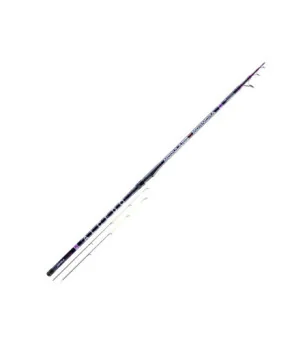
Choosing the right beach ledgering rod ensures more enjoyable surf sessions, better casting distance, improved bite detection and the confidence to handle larger coastal species. Beach ledgering rods are designed to cast heavy leads and baits for distance while remaining sensitive enough to detect subtle takes. When selecting a rod, balance length, power, action and materials against the type of fishing you do—short evening trips for flatfish require different equipment than long-range campaigns for bass or rays. This guide breaks down the technical points to consider and provides practical tips to help you pick a rod that matches your technique, target species and local conditions.
Rod Length
Length affects casting distance, leverage and transport. Longer rods (12–15 feet / 3.6–4.5 m) deliver greater range and line control, ideal for open beaches and long casts. Shorter rods (10–12 feet / 3–3.6 m) offer improved handling in surf with heavy shore wind or restricted casting space. Choose length based on typical casting distance and how often you transport or pack the rod.
Power and Action
Power describes the rod’s lifting strength (light, medium, heavy). Action refers to where the rod bends (fast tip, moderate, slow). Heavy power with moderate-to-fast action is common for beach ledgering to cast heavy leads and fight large fish while retaining tip sensitivity for bites. Match power to target species—lighter for flatfish and small bass, heavier for large bass, rays and smooth-hounds.
Blank Material and Construction
Modern blanks are mostly graphite, glass or composite blends. Graphite gives sensitivity and lighter weight; glass provides durability and a smoother bend for big-fish fighting; composites balance both properties. Consider a composite blank if you want shock resistance during long casts and a forgiving backbone for powerful runs.
Tip Sensitivity and Butt Strength
Effective beach ledgering needs a sensitive tip to detect subtle takes and a strong butt to control and subdue large fish. Look for rods with a tapered blank where the tip offers responsiveness and the lower sections provide reserve power and leverage during the fight.
Guides and Reel Seat
Quality guides reduce friction and heat during long runs; look for corrosion-resistant materials (e.g., ceramic inserts) suited for saltwater. A reinforced reel seat with secure locking threads and a comfortable foregrip will improve casting comfort and control. Consider fighting butt or rubberized butt caps for leverage when battling heavy fish.
Line and Lead Ratings
Manufacturers often list recommended line classes and maximum lead weights. Use those as a starting point, but adapt to local surf strength and wind. Heavier leads increase casting distance but require a rod that can load correctly; excessive lead on an underpowered rod reduces accuracy and increases fatigue.
Transport and Action Type
Consider how you travel: one-piece blanks offer the purest action but are harder to transport. Two- or three-piece rods and telescopic options sacrifice a degree of blank integrity for convenience. For frequent travel or car-top beach sessions, multi-piece rods that maintain balance are practical.
Comparison Table
| Type | Primary Use | Key Features | Who It Suits |
|---|
| Long Range Beach Rod | Maximum casting distance on wide beaches | 12–15 ft, heavy power, fast-moderate action, reinforced butt | Anglers targeting long casts for bass, rays and large surf species |
| All-Round Beach Rod | Versatile surf fishing with a balance of casting and handling | 11–13 ft, medium-heavy power, composite blank, corrosion-resistant guides | Weekend anglers and those facing mixed conditions and species |
| Heavy-Duty Ledgering Rod | Handling large fish and heavy leads | 11–13 ft, extra-heavy power, strong butt, durable guides | Targeting very large surf species or fishing in strong currents |
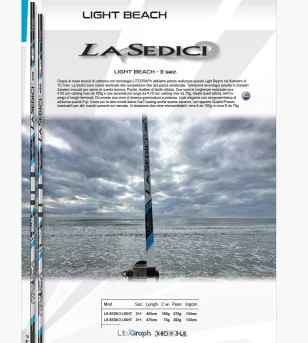
| Light Beach Rod | Short casts for flatfish, small bass and finesse presentations | 10–11 ft, light-medium power, sensitive tip | Anglers focused on finesse fishing and smaller shore species |
| Travel / Multi-Piece Rod | Portable surf setups and frequent travel | 2–4 pieces, balanced action, convenient transport length | Travel anglers and those with limited storage space |
Expert Tips
- Match rod power to line and lead: use medium-heavy rods with matching line tests to achieve optimal cast loading and control.
- Test tip sensitivity by tapping and loading the blank in a shop—ensure you can feel subtle movements and bites at the tip.
- Choose corrosion-resistant guides and reel seats for saltwater exposure to minimize maintenance and extend lifespan.
- Use a fighting butt or harness when targeting big surf species to reduce fatigue and improve leverage on long runs.
- Pair rod length with reel size: larger reels with long casts require a balanced rod to maintain accurate and comfortable casting.
- Practice casting with the weight you intend to use—distance relies on rhythm and rod loading as much as on power rating.
- Consider a spare tip or replaceable top section if you expect rough beach conditions and the risk of tip damage.
- Keep a simple maintenance kit (freshwater rinse, soft cloth, and light oil) to remove salt and protect guides after each session.
Frequently Asked Questions
What length of beach ledgering rod do I need?
Choose based on typical casting distance and venue: longer rods (12–15 ft) for maximum range on open beaches; shorter rods (10–12 ft) for tighter spots or when portability matters. Balance range needs with comfort and transport considerations.
How do action and power affect performance?
Power indicates lifting strength—use heavier power for larger species and heavier leads. Action describes where the rod bends; fast tips improve sensitivity and hook-setting speed, while moderate/slow actions offer smoother bends for fighting large fish.
Are multi-piece rods as good as one-piece blanks?
Multi-piece rods are more convenient for travel and storage. Modern multi-piece designs retain much of the performance of one-piece rods, though one-piece blanks can provide slightly purer action and vibration sensitivity.
What line and lead weights should I pair with a beach rod?
Follow the manufacturer’s recommended line class as a baseline and adjust for local conditions. Use heavier leads for long-range casting but ensure the rod has sufficient loading capability; excessive lead on a light rod reduces accuracy and risks damage.
How important are guide materials?
Very important for durability and smooth casting. Corrosion-resistant frames and ceramic inserts reduce friction and heat on long runs and saltwater exposure. Better guides typically improve casting distance and line longevity.
Can I use a beach ledgering rod for other shore techniques?
Yes. An all-round beach rod can perform well for general surf spinning, bait fishing and ledgering. Choose a rod with a versatile length and balanced action if you plan to use it for multiple shore techniques.
How should I care for a beach rod after use?
Rinse with fresh water to remove salt and grit, wipe dry, and store in a protective case. Periodically inspect guides and reel seat for corrosion and apply light lubrication to moving parts to maintain performance.
Is a replaceable tip worth having?
Replaceable tips offer field-repair convenience and can extend rod life after tip damage. They are especially useful for travel or if you fish rocky beaches where tip snags are more likely.
Related Categories
Why buy from Pescare.it
Pescare.it focuses on fishing equipment and produces detailed product information, technical filters and buying advice to help you make the right choice. Our listings are curated for coastal anglers, and our team brings practical fishing experience to product descriptions, making it easier to compare specs and pick the right rod for your needs.
Conclusion
Selecting the right beach ledgering rod comes down to balancing length, power, action and materials with the species you target and the conditions you fish. Prioritize sensitivity at the tip, a strong butt for fights, and corrosion-resistant components for saltwater use. Use the comparison table and expert tips to narrow options, then test feel and casting rhythm where possible. Explore Pescare.it’s surf gear selection to compare technical specs and find a rod that matches your beach fishing style—equip yourself and head to the shoreline with confidence.