Buying Guide
Choosing the right carryall or luggage for sport fishing is about balancing capacity, organization, durability and comfort. Whether you fish from shore, a boat or travel long distances, the bag you select affects how quickly you can rig, transport and protect your gear. This guide breaks down the technical factors to consider and helps you match types of carryalls to real-world use so you spend less time packing and more time catching fish.
Capacity and volume
Estimate what you routinely carry: rods, reels, tackle boxes, clothing, electronics and bait/cooler. Capacity is often measured in liters or by internal dimensions. For day trips a 20–40 L bag can be sufficient; multi-day or travel bags commonly range from 50 L up to 120 L for full kit and clothing. Ensure the internal layout lets you segregate wet items from dry gear.
Materials and waterproofing
Look for abrasion-resistant fabrics (e.g., heavy denier nylon or polyester) and reinforced bases. Waterproofness ranges from water-resistant coatings to fully welded, seam-taped construction. For boat or saltwater use choose bags with strong water resistance and corrosion-resistant hardware; for air travel, focus on durable outer shells and protective liners.
Internal organization and protection
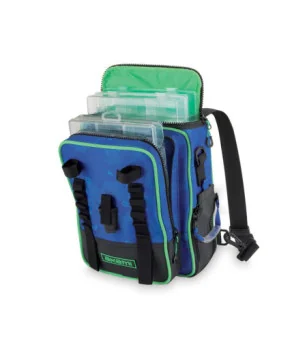
Tackle organization is critical: padded compartments, removable dividers, and dedicated pockets for pliers, lines and terminal tackle minimize tangles and damage. Padded sleeves protect reels and electronics; ventilated pockets help dry wet items. If you carry lures with trebles, look for pockets with hook guards or separate hard-shell lure organizers.
Hardware, zippers and closures
Heavy-duty zippers, reinforced stitching and robust buckles extend lifespan under repeated use. YKK-style zippers and water-resistant zipper profiles reduce failure points and ingress of water. Quick-release buckles and lockable zipper pulls add function—check the quality of attachment points for shoulder straps and handles.
Carrying system and comfort
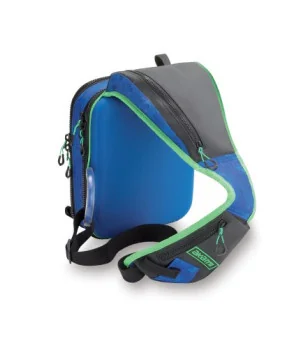
Ergonomic shoulder straps, load-bearing hip belts and padded back panels reduce strain on long treks. For heavy loads choose a bag with a structured frame or load-distribution system. Consider convertible designs (duffel to backpack) if you alternate between carrying methods.
Mobility: wheels vs. backpack
Wheeled duffels are excellent for travel and marina transfers but can be bulky on trails or boat decks. Backpacks free your hands and are preferable for shore anglers and hikes. Hybrid models combine wheels and shoulder straps—assess where you’ll use the bag most.
Weight, packability and airline considerations
Lightweight construction is valuable but not at the cost of durability. If you fly, consider checked bag dimensions and airline weight limits. Some soft duffels can be compressed or used as carry-on when empty—measure against typical airline cabin limits if you plan to carry gear aboard.
Security and rod transport
If you transport rods inside the main compartment, check for rod sleeves or reinforced pockets. For external rod straps, ensure they don’t compromise water protection. For travel, lockable zipper systems and discreet pockets reduce the risk of tampering.
Comparison Table
| Type | Use | Key features | Who it suits |
|---|
| Soft Duffel | Short trips, general kit | Lightweight, flexible, large main compartment | Anglers needing simple packing and easy storage |
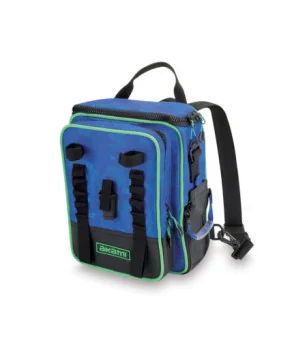
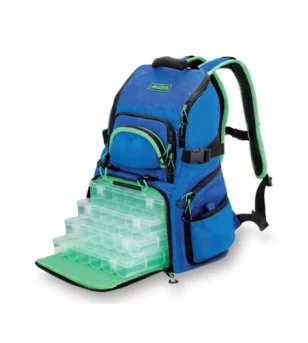
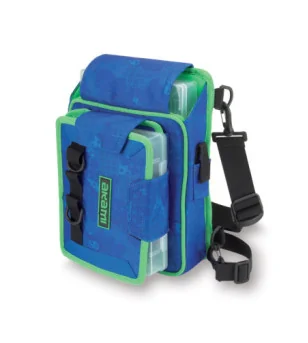
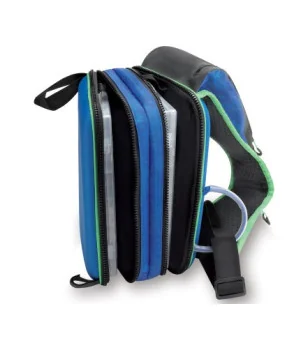
| Tackle/Organizer Bag | Tackle-rich day trips | Multiple pockets, removable trays, padded inserts | Freshwater and saltwater anglers who need fast access to lures and rigs |
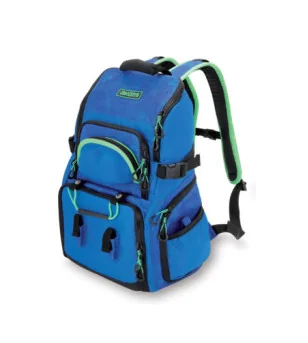
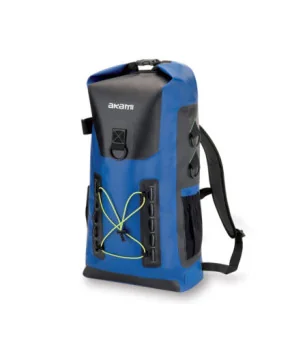
| Backpack Carryall | Shore fishing and hikes | Ergonomic straps, compartments, rod sleeves | Hikers and surf anglers requiring hands-free mobility |
| Wheeled Duffel / Rolling Luggage | Travel and marina transfers | Large capacity, wheels, reinforced base | Airport travellers and boat anglers with heavy loads |
| Hard-shell Case | Fragile equipment and long transport | Rigid protection, lockable, weather resistant | Travellers carrying electronics, reels or delicate tackle |
Expert Tips
- Inventory your typical kit before buying—pack the bag at home to ensure items fit logically.
- Prioritize zippers and seam quality; a single failed zipper can ruin a trip.
- Choose dark, low-visibility colors for saltwater trips to hide wear and stains.
- Use modular organizers and clear pouches to speed up rig changes and inventory checks.
- For mixed use (boat + hike) pick a hybrid with removable straps and a water-resistant base.
- Regularly rinse and dry saltwater-exposed bags; salt accelerates fabric and hardware corrosion.
- Test wheeled models on the terrain you use most—small wheels struggle on gravel and docking ramps.
- Label main compartments or use color-coded tags for quick access to frequently used gear.
Frequently Asked Questions
What bag size do I need for a weekend fishing trip?
For a weekend you typically need 40–75 L depending on whether you pack full clothing and extra tackle. If you carry bulky items like waders or a bait cooler, aim toward the higher end of that range.
Are waterproof bags necessary for boat fishing?
Fully waterproof bags are ideal on small boats or for rough weather, but water-resistant designs with sealed bottoms and protected zippers can suffice for most day trips. Consider a dry bag or waterproof compartment for electronics and documents.
Can I carry rods inside a duffel bag?
Some duffels have internal rod sleeves or reinforced pockets for rods. If not, use external straps designed not to rub against the bag or consider a dedicated rod tube for longer or delicate rods.
How do I maintain and clean my fishing carryall?
Empty and air-dry the bag after each saltwater trip. Rinse with fresh water to remove salt, use mild soap for stains, and avoid high-heat drying. Lubricate or rinse zippers to prevent grit build-up.
Should I choose wheels or a backpack-style bag?
Choose wheels if you mainly travel through terminals or marinas with flat surfaces. Choose backpack-style for shore fishing, long walks or when you need hands-free mobility. Hybrid models offer both but weigh more.
How can I organize lures and small tackle inside a carryall?
Use removable, labeled organizers or small clear pouches grouped by type. Hard-shell lure boxes protect exposed trebles and keep fragile lures secure. Velcro divider systems help customize compartments.
Are hard-shell cases worth the extra weight?
Hard-shell cases provide superior protection for delicate gear and electronics during travel. They are heavier and less flexible but are worth it when transporting fragile or high-value equipment.
What should I check before buying online?
Confirm internal dimensions, weight, material specifications and any convertible features. Look at product photos of compartments and hardware, and compare capacity to bags you already own.
Related Categories
Why buy from Pescare.it
Pescare.it specializes in fishing equipment, offering a curated selection of carryalls chosen with anglers’ needs in mind. Our product pages provide detailed specifications and practical information to help you compare options and make an informed purchase.
Conclusion
Choosing the right carryall for fishing means matching capacity, protection and mobility to your typical trips. Consider materials, organization, carrying system and how you transport your gear to find the best balance. Browse the carryall collection, compare features against your checklist and select the bag that keeps your tackle organized and protected so you can focus on fishing.