Buying Guide
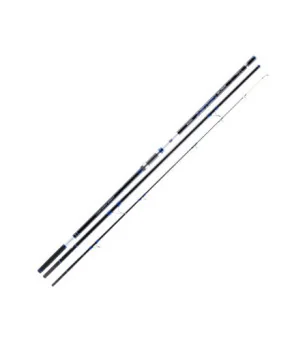
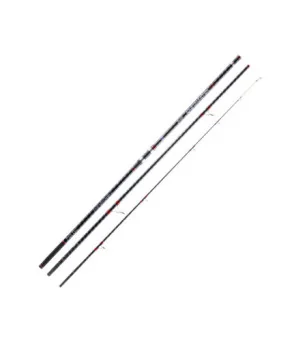
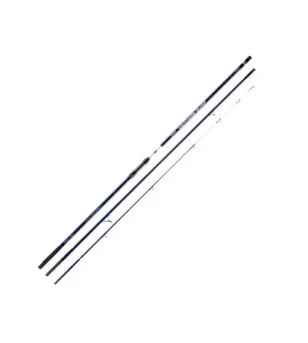
Three-section surfcasting rods are designed to combine long casting performance with easy transport. When choosing a 3-piece surf rod you need to balance length, action and power against portability and the species you intend to target. This guide focuses on the practical factors that matter on the beach: casting distance, rod strength for fish and structure, tip sensitivity for bites, and the convenience of a breakdown rod that still feels like a one-piece when casting. Follow the technical criteria below to match a rod to your preferred techniques and local conditions.
Rod Length and Casting Range
Length is the primary determinant of casting leverage. Longer rods (4.2–5.0 m / 14–16.5 ft) deliver greater distance but can be heavier and more affected by wind. Shorter rods (3.0–3.9 m / 9.8–12.8 ft) are easier to control, better for rough ground or tight launch spots, and often more accurate for medium-range casts. Choose length based on typical surf distance, available casting room, and transport needs.
Action: Tip vs. Backbone
Action describes how the rod bends under load. Fast-action rods bend mostly in the top third and provide a stiff backbone for hooksets and fighting strong fish. Medium-action rods bend further down the blank, offering smoother hook absorption and better casting with light rigs. For long-distance surfcasting with heavy leads and large baits, a faster action is usually preferable. For lighter baits or delicate presentations, a medium action may be more effective.
Power: Line and Lure Ratings
Power (light, medium, heavy, extra-heavy) indicates rod lifting strength and recommended line/lure ranges. Match power to target species and typical surf conditions: heavy to extra-heavy rods suit big coastal predators and heavy rigs; medium-heavy is a versatile choice for mixed surf fishing. Verify the rod's stated line and lure weight ranges and ensure they cover the leads, sinkers and terminal tackle you plan to use.
Blank Material and Construction
Rod blanks are usually graphite, fiberglass or composite. Graphite offers sensitivity and lighter weight, while fiberglass gives toughness and progressive bending—useful for absorbing powerful runs. Composite blanks try to blend both characteristics. Pay attention to joint fit and blank taper in 3-piece rods: a well-designed ferrule system minimizes action loss and retains a one-piece feel.
Ferrule Design and Transport Length
Ferrules (the connection points between sections) are critical for three-piece rods. Look for tight, well-aligned ferrules that maintain blank alignment under load. Transport length is the assembled rod length divided by three; shorter transport length improves portability but can increase joint stress. Consider your travel method—car, plane, or foot access—and choose a rod that fits your transport constraints without sacrificing performance.
Guides, Reel Seat and Handle
Guides should be corrosion-resistant and sized to support braided lines if you use braid. A quality reel seat keeps the reel secure without crushing the blank. Handles vary from cork to EVA foam; cork provides feel and classic comfort, EVA is durable and easier to maintain. Pay attention to handle length—long handles help two-handed casts and balance heavy tackle.
Comparison Table
| Type | Primary Use | Key Features | Who It Suits |
|---|
| Long Range Heavy | Maximum casting distance for large marine predators | 4.2–5.0 m length, fast action, heavy power, sturdy ferrules | Experienced surfcasters targeting big fish and long casts |
| Versatile Medium-Heavy | All-round surfcasting for mixed species and conditions | 3.6–4.2 m length, medium-fast action, balanced power | Anglers who want a single rod for varied beaches |
| Travel/Backpack | Portability for travel and kayak/boat launch beaches | Compact transport length, composite blank, moderate power | Travel anglers and those with limited storage space |
| Light/Precision | Short-range accuracy and sensitive bite detection | 3.0–3.6 m length, medium action, lighter line rating | Anglers targeting smaller species or fishing tight spots |
Expert Tips
- Test the blank flex by lifting the tip: a clean progressive bend indicates good load distribution and smoother casting.
- Match rod action to your leader and mainline. Stiff rods paired with very light leaders can pull hooks on sharp strikes; softer tips help absorb initial shock.
- Use braided line for maximum casting distance and sensitivity; add a mono or fluorocarbon shock leader sized for the rod’s recommended line rating.
- Check ferrule alignment before each session; a loose or misaligned joint reduces accuracy and can cause wear or breakage.
- When traveling by air, protect the rod in a rigid tube or high-quality rod case to prevent ferrule damage—disassembled rods still need support inside.
- Replace worn guides promptly—tiny burrs can cut braid and cause lost fish. Ceramic inserts are preferred for braid compatibility.
- Practice two-handed casting with long rods to improve leverage and reduce fatigue; balance handle length with comfortable hand spacing.
- Consider rod weight in hand: a longer rod with heavy components can tire you quickly during long sessions—opt for lightweight blanks if you fish for hours.
Frequently Asked Questions
How do I choose the right rod length for surfcasting?
Choose longer rods for maximum distance and shorter rods for accuracy and control. Consider typical casting range from your fishing spot, wind conditions, and how you transport the rod. A mid-length rod (3.6–4.2 m) is a versatile compromise for many anglers.
Are three-piece rods as strong as one-piece rods?
Modern three-piece rods with well-designed ferrules can perform very close to one-piece blanks. Quality of joints and blank construction determine strength and feel. Inspect ferrule fit and alignment to ensure minimal action loss.
What action is best for big surf predators?
Fast to extra-fast action provides a strong backbone for hooksets and fighting large, powerful fish. It also helps with heavy leads used in distance casting. If you need more forgiveness for light baits, consider medium-fast action.
Should I use braid or mono with a 3-piece surf rod?
Braid enhances casting distance and sensitivity, but it requires smooth guides and a shock leader to protect the rod and absorb sudden loads. Mono or fluorocarbon leaders help with abrasion resistance and stretch where needed.
How important is transport length when buying a travel rod?
Transport length is crucial for portability. If you fly or carry the rod long distances, a shorter packed length is essential. Ensure that shorter transport length does not compromise ferrule integrity—balance convenience with build quality.
What maintenance keeps a surf rod in good condition?
Rinse with fresh water after saltwater use, dry thoroughly, inspect guides and ferrules for damage, and store disassembled rods in a padded case. Replace damaged guides and attend to corroded components promptly.
Related Categories
Why buy from Pescare.it
Pescare.it specializes in fishing equipment with curated selections for surf anglers. Product descriptions focus on technical details important for performance, and stock is chosen to cover a wide range of surfcasting needs from travel rods to long-range blanks. Buying here helps you compare options suited to your location and style.
Conclusion
Choosing a three-section surfcasting rod means balancing distance, power and portability. Prioritize the rod length and action that match your typical casting requirements, check ferrule quality and guide compatibility with braid, and consider transport constraints. Use the comparison table and tips to narrow your options, and pick the model that best aligns with the species you target and how you fish. Explore the available rods and make your selection to get ready for your next surf session.